How To Maximize The Advantages Of Solar Ground Mounting
As the world increasingly turns to renewable energy, solar energy is emerging as a leading option for sustainable living. Among various solar installations, ground-mounted solar systems are gaining increasing attention. These systems offer a unique approach to harnessing solar energy, making them suitable for both residential and commercial properties. So how to maximize the advantages of solar ground mounting? In this article, we’ll delve into the advantages of solar ground mounts, providing a comprehensive understanding of their efficiency, cost-effectiveness, and overall benefits.
Types of Ground Mounts
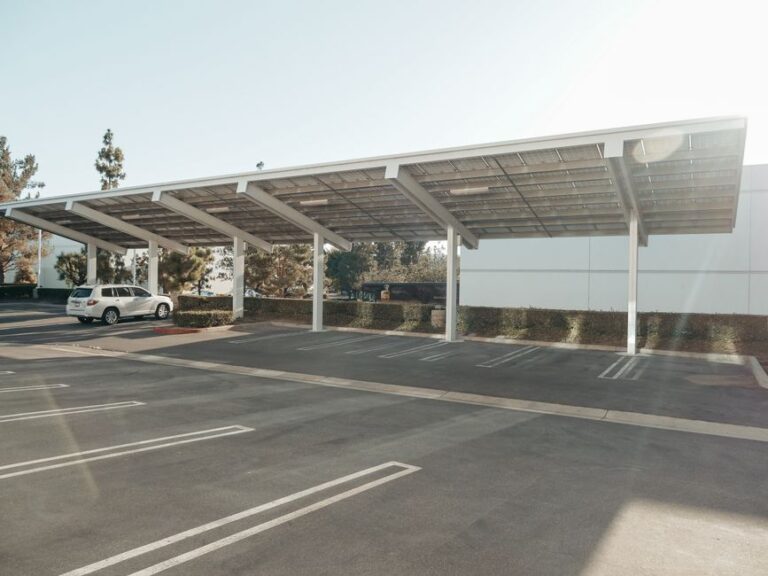
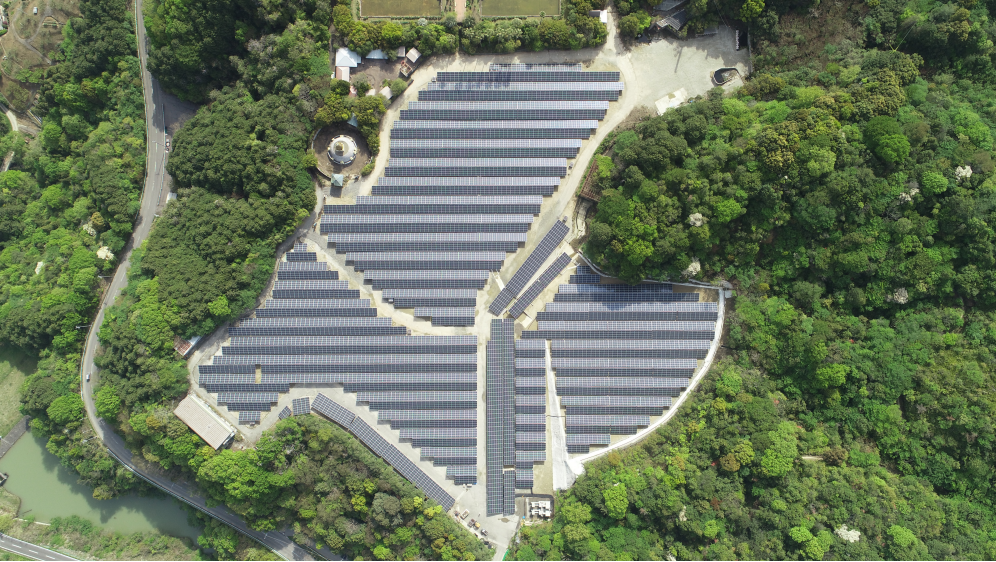
Solar ground mounts are structures specifically designed to support solar panels mounted directly on the ground, rather than on rooftops. These mounts are typically constructed using a metal or aluminum frame and are anchored to the ground for stability and optimal panel positioning. Ground-mount systems are particularly advantageous for properties with ample land space, providing flexibility in system design and layout.
There are two main types of solar ground mounts: fixed and adjustable.
- Fixed ground mounts: These are stationary systems designed to maximize solar energy harvesting in a specific location.
- Adjustable ground mounts: Also known as tracking systems, these mounts can rotate to follow the sun’s path throughout the day, thereby increasing energy capture.
Advantages of Ground-Mounted Solar Systems
Ground-mounted solar systems offer many advantages that make them an attractive option for harnessing solar energy.
- Increased Energy Yield
Ground-mounted solar systems can be optimized for sunlight exposure and generally produce higher energy yields than rooftop systems. The ability to tilt and adjust the angle of the panels can significantly increase solar energy capture. - Design Flexibility
Ground-mounted systems allow for a wider range of solar installations. This flexibility enables homeowners to expand their systems as energy needs grow or technology advances. - Easier Maintenance
Ground-mounted systems simplify maintenance because installers can easily access the solar panels for cleaning and repair without the safety hazards associated with rooftop installations. - Unobstructed Sunlight
Unlike rooftops, which may have obstructions such as chimneys or trees, ground-mounted systems can be strategically placed to avoid any shadows, ensuring maximum sunlight exposure throughout the day. - Aesthetic Value
For some, ground-mounted solar systems may be more visually appealing and can be designed to blend seamlessly into the landscape, unlike bulky rooftop installations.
Design and Installation of Ground-Mounted Systems
The design and installation of a solar ground-mount system requires careful planning. Factors to consider include site selection, orientation, and local regulations.
Site Selection
Choosing a suitable site is crucial for maximizing solar energy capture. Factors such as soil type, land slope, and distance from power lines are crucial in the decision-making process.
Installation Process
- Site Assessment: Assess land conditions and potential obstacles.
- Permitting: Obtain necessary permits and approvals from local authorities.
- Mounting: Securely attach the frame to the ground.
- Panel Mounting: Secure the solar panels to the ground-mount system, ensuring optimal tilt and alignment.
Cost Considerations for Ground-Mounted Solar Systems
Investing in a solar ground-mount system involves various costs that can impact the overall return on investment (ROI).
Initial Investment
Upfront costs include purchasing the solar panels, the ground-mount system, and installation fees. While these costs may be higher than for a rooftop system, the potential energy savings may justify the initial investment.
Long-Term Savings
Ground-mounted solar systems can generate substantial energy savings over time, and many homeowners find that lower electricity bills can offset the installation costs. Furthermore, government incentives and rebates can further enhance the economic benefits.
Maintenance Requirements for Ground-Mounted Solar Systems
While ground-mounted solar systems are relatively low-maintenance, regular maintenance is necessary to ensure optimal performance.
Routine Inspections
Regular inspections should be performed to ensure the structural integrity of the mounts and panels. Check for signs of wear, frame corrosion, or loose connections.
Cleaning
Dust and debris can accumulate on solar panels, reducing efficiency. Cleaning the panels semi-annually is recommended, especially in areas prone to dust storms or high levels of pollen.
Comparing Rooftop and Ground-Mounted Solar Systems
Rooftop and ground-mounted systems each have advantages and disadvantages, and the choice depends primarily on individual needs and property characteristics.
Space Availability
Rooftop systems are ideal for those with limited land space. However, ground-mounted systems are suitable for properties with ample open space, allowing for larger installations.
Energy Output
Ground-mounted systems generally outperform rooftop systems in terms of energy production due to better sun exposure and adjustable angles.
Aesthetic Considerations
Rooftop systems can be less conspicuous, helping to maintain the property’s aesthetics, while ground-mount systems can be designed to blend in with the landscape or serve as an attractive feature.
Wanhos Case Study: Successful Solar Ground Mount Installations
Many successful solar ground mount projects demonstrate their effectiveness and advantages.
Residential Example
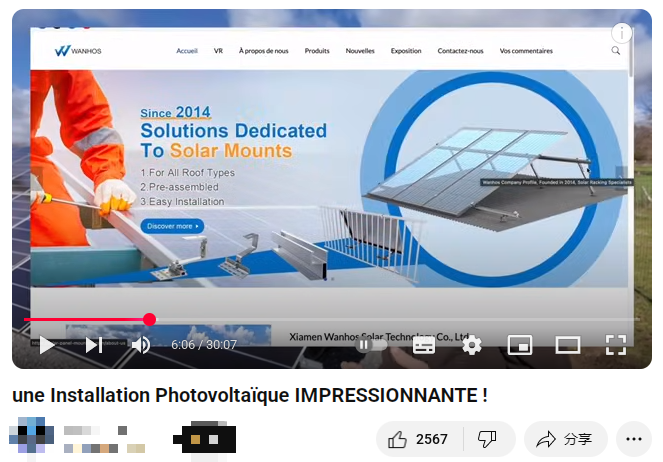
Wanhos’s ground mounts are also very popular in European homes and have received widespread acclaim. One of our French customers even posted an installation and feedback video on Youtube.
Commercial Example
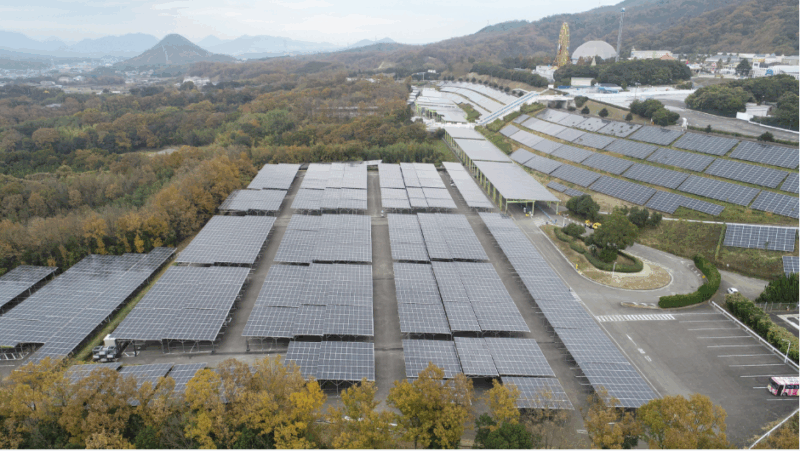
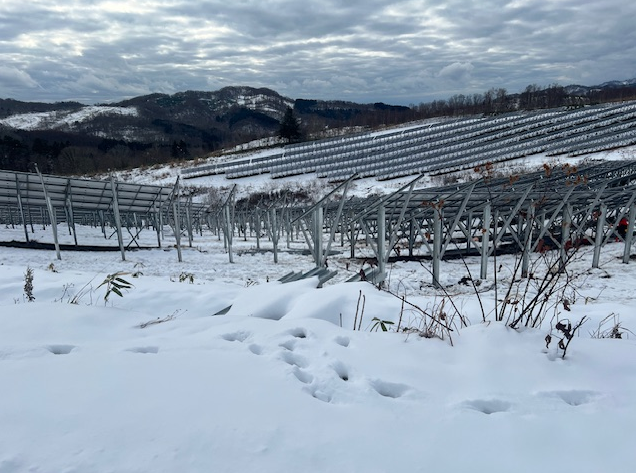
Wanhos has many solar power station projects in the European, American and Japanese markets. Customers choose to install large solar ground brackets. This investment not only reduces their operating costs, but also helps achieve their sustainable development goals and attracts environmentally conscious customers.
Frequently Asked Questions
1. How long do solar ground mounts last?
If properly maintained, solar ground mounts can last 25 years or longer, similar to solar panels.
2. Are ground-mount systems more expensive than rooftop systems?
While ground mounts may have a higher initial cost, their energy yield and efficiency often result in a better return on investment over time.
3. Can I install a ground-mount system myself?
While DIY installation is possible, it’s recommended that you hire a professional to ensure proper installation and compliance with local regulations.
4. Do ground-mount systems require special permits?
In most areas, ground-mount installations require permits due to zoning and safety regulations. Be sure to check local laws and regulations before proceeding.
5. What is the optimal angle for ground-mounted solar panels?
The optimal angle varies by location. Generally, to maximize sunlight, the panels should be tilted at an angle equal to the latitude of the installation site.
In summary, ground-mount solar systems offer numerous benefits for harnessing solar energy, making them an excellent choice for both residential and commercial applications. With higher energy yields, easier maintenance, and more flexible designs, ground-mount systems stand out in the renewable energy landscape. As we continue our journey toward sustainable living, adopting a ground-mount solar system can yield significant long-term savings and contribute positively to the environment. Investing in a ground-mount solar system isn’t just a choice today; it’s a commitment to a sustainable, environmentally friendly future.
So how to maximize the advantages of solar ground mounting? Above all are the answer for most common situation. If you are interested in knowing more or sharing insights with us, please feel free to contact.