How To Solve The Common Problems Of PV Power Plants In Summer?
During summer, high temperatures and frequent rainfall may impact photovoltaic power plants. So how to solve the common problems of PV power plant in summer? This article will delve into common issues encountered in the operation and maintenance of photovoltaic power plants during the summer and provide a series of targeted solutions to help you easily address these challenges and safeguard the stable output of green energy.
Solar panel efficiency decreases in high temperatures
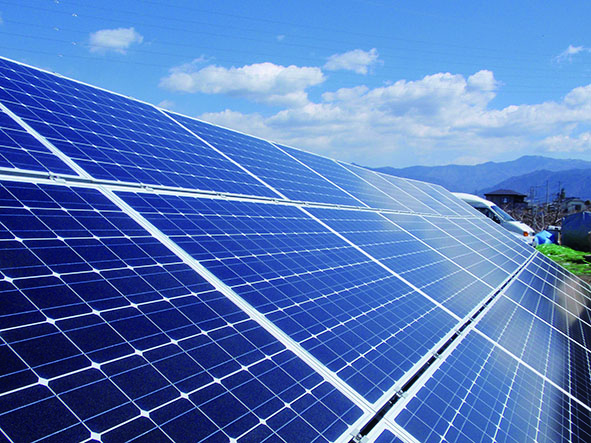
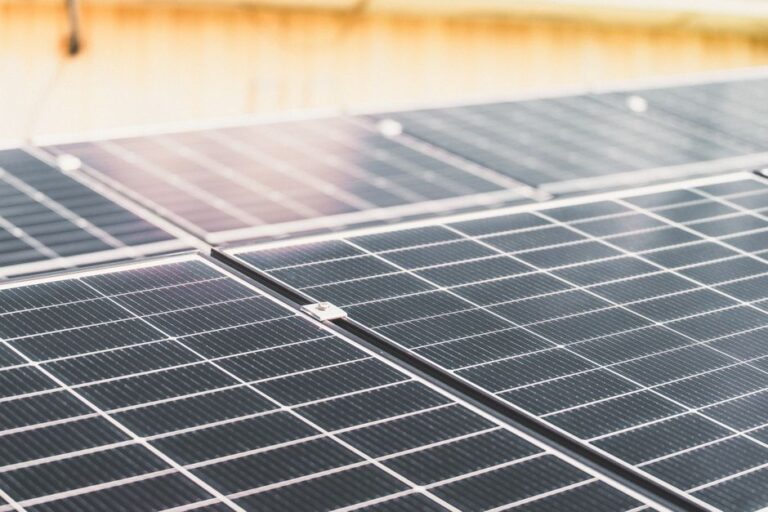
High summer temperatures can easily cause the surface temperature of solar panels to rise, thereby reducing photovoltaic conversion efficiency. To address this issue, power plant operators can take the following measures: Regularly clean the surface of solar panels to reduce dust and dirt accumulation and improve light transmittance. Optimize the layout of the power plant by properly designing parameters such as module inclination and row spacing to reduce the impact of thermal radiation between modules. Strengthen monitoring and maintenance of photovoltaic power plants to promptly detect and address overheating issues and ensure normal operation of the plant.

Wanhos Solar currently offers several solar panel drain clips that effectively handle water accumulation on solar panel surfaces caused by rain, snow, or cleaning. Available in plastic, stainless steel, and aluminum alloy, the new stainless steel drain clips offer a 20-year service life at a lower price. Wanhos Solar also offers several solar automatic cleaning robots that effectively clean solar panel surfaces without damaging the surface or performance. If you are interested in these solar cleaning products, please contact us for more information and quotes.

Inverter Overheating Leads to Performance Degradation
The inverter is a core component of a photovoltaic power plant, and its performance directly impacts the plant’s power generation efficiency. In summer, high temperatures can easily lead to inverter performance degradation due to overheating. To address this issue, operators can take the following measures: Improve the inverter’s heat dissipation design, such as adding cooling fans and improving the heat sink. Regularly check the inverter’s operating status and clean dust and dirt from the radiator. Install sunshades around the inverter to lower the ambient temperature.
Accelerated Cable Aging
Summer’s high temperatures and strong ultraviolet radiation can accelerate the aging process of cables, potentially leading to insulation cracks, short circuits, and other faults. To ensure safe cable operation, operators can take the following measures:
- Select high-temperature-resistant and age-resistant cable materials.
- Regularly inspect the insulation and connection status of cables, and promptly replace aged cables.
- Install shade around cables to reduce the impact of ultraviolet radiation.

Thunderstorms pose a threat to power plant safety
Summer is a season of frequent thunderstorms. Lightning and heavy rain can pose a serious threat to the safety of photovoltaic power plants. To ensure the safe operation of power plants, operators can take the following measures:
- Install lightning protection devices, such as lightning rods and lightning strips, to protect power plant equipment from lightning strikes.
- Regularly inspect the performance and condition of lightning protection devices to ensure they are in good working order.
- Prepare for waterproofing before heavy rain, such as checking that the drainage system is unobstructed and that equipment is properly waterproofed.
Low insulation resistance to ground
Summer is often rainy, and moisture can easily enter bushings and other components. Module waterproofing boxes can also malfunction. When encountering these issues, the most common error message is “low insulation resistance to ground.” Quick fixes include checking the DC cables, module grounding, and water ingress into the bushings. Most panel insulation resistance issues are caused by damaged DC cables, including those between modules and between modules and the inverter. Cables in corners and those laid outdoors without conduit require careful inspection. Check the DC or AC bushings. Lack of drainage holes or improperly positioned bushings can cause excessive water accumulation, resulting in low insulation resistance. The PV inverter may not be properly grounded. If the inverter is not grounded or poorly grounded, it will not accurately detect the module insulation resistance to ground, leading to false alarms.
So how to solve the common problems of PV power plant in summer? Above all are the answer for most common situation. If you are interested in knowing more or sharing insights with us, please feel free to contact.