Agrivoltaics: Dual-Use Solar Mounting Systems for Sustainable Agriculture
How can renewable energy and modern farming coexist on the same land? Agrivoltaics—the integration of solar power production with agricultural activities—offers a transformative solution. By deploying advanced solar farm mounting systems, landowners and project developers can simultaneously generate clean energy and produce food, maximizing land use efficiency while supporting sustainability goals.
This integrated approach allows solar energy to power irrigation, climate control, lighting, and other electrical needs within agricultural operations. More than just a source of power, agrivoltaics represents a new revenue model—combining income from energy production with robust agricultural output.
Benefits of Agrivoltaic Greenhouse Systems
Agrivoltaic installations, particularly greenhouse-based systems, present significant advantages over conventional solar farms or standalone agriculture:
- On-Site Renewable Energy for Operational Efficiency
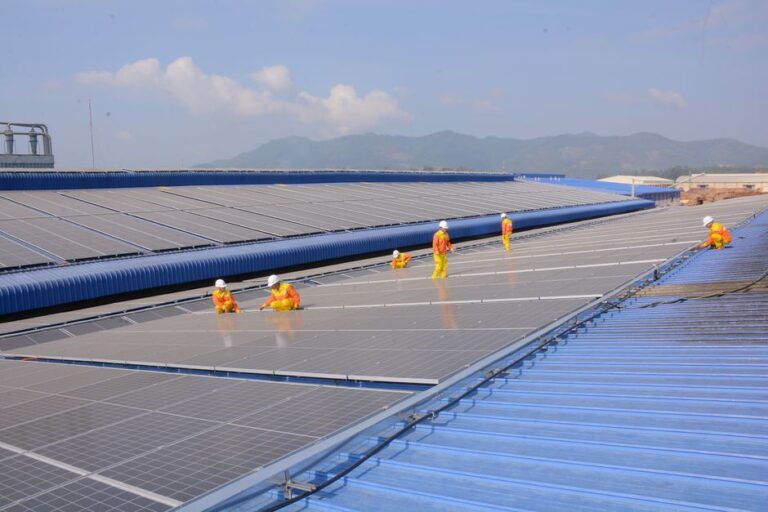
Rooftop solar panels on greenhouses provide electricity for indoor environmental controls, irrigation, and supplemental lighting. Excess energy can be fed back into the grid, creating a durable additional revenue stream. - Optimal Land Use and Environmental Sustainability
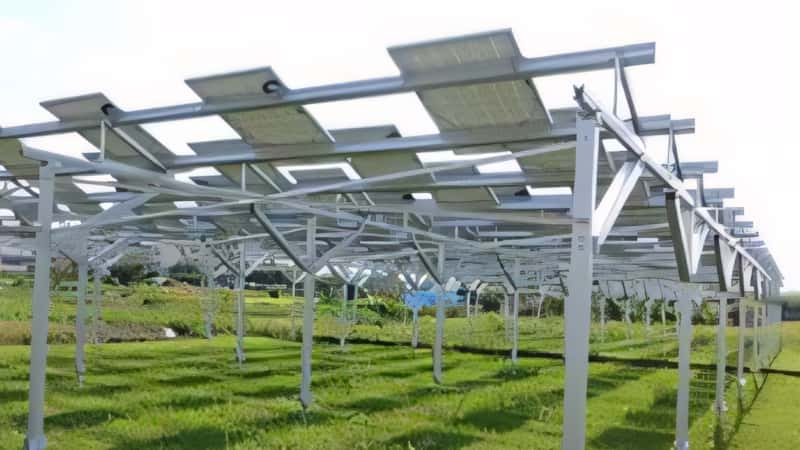
Farm solar mount structures are installed above the ground, enabling continued agricultural use without soil degradation or land repurposing. This supports biodiversity, reduces land competition, and aligns with circular economy principles. - Adaptable Design for Crops and Climate Conditions
Modern solar farm mount systems allow customizable light transmission levels. Farmers can select solar panels with specific transparency rates to match the photosynthetic needs of different crops—boosing both energy and crop yield. - Strengthened Economic Resilience with Dual Revenue
Agrivoltaic greenhouses deliver multiple financial benefits: crop sales, reduced energy costs, earnings from surplus electricity, and possible eligibility for green energy incentives. - Carbon Reduction and ESG Alignment
By combining solar generation with sustainable farming, these systems reduce the carbon footprint of agricultural operations—increasing their appeal to environmentally conscious investors and consumers.
Ideal Crops for Agrivoltaic Systems
Agrivoltaic greenhouses are well-suited to high-value crops that benefit from controlled light conditions, including organic vegetables, herbs, mushrooms, and ornamental plants.
- Mushrooms such as shiitake and oyster varieties thrive in low-light environments.
- Leafy greens and certain root vegetables can be grown under adjusted solar panel setups.
These facilities can also serve as educational and agritourism sites—showcasing renewable energy in action while offering pick-your-own produce experiences and sustainability tours.
The Role of Advanced Solar Mounting Structures
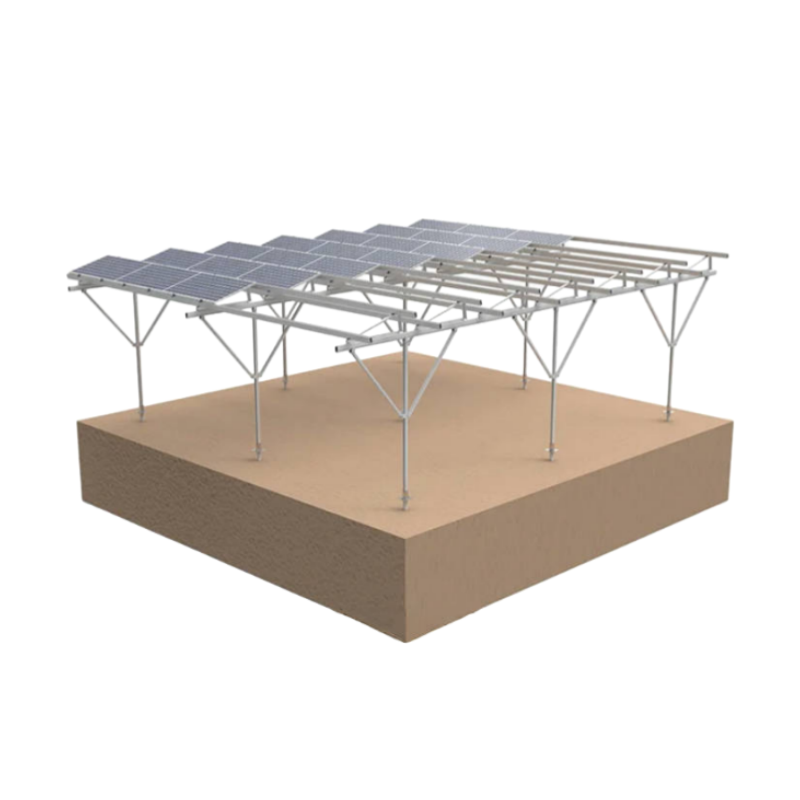
For EPC firms and solar developers, agrivoltaics represent a growing market opportunity where agriculture and energy converge. Success hinges on using durable and adaptable solar mounting systems capable of withstanding outdoor farm environments while maintaining structural integrity and panel efficiency.
Key design considerations include:
- Height and clearance for farming equipment
- Corrosion resistance for humid agricultural settings
- Adjustability for seasonal variations and crop cycles
EPC contractors can leverage these integrated systems to offer clients a future-proof investment that meets both energy production and agricultural objectives—all while supporting global sustainability standards.