What Is a Solar Arrays? A Simple Guide With Real Examples
Most people hear the term solar arrray and think it simply means “a group of solar panels lined up on a roof.” The truth is far richer. A solar array is the engineered layout that brings individual panels together so they can work as one unified power-producing unit. Its design, structure, and electrical configuration largely determine how stable, efficient, and cost-effective your solar system will be over time.
In traditional terms, an array refers to the physical arrangement of several modules mounted on a racking system. But in real-world applications, “array” has evolved to mean the complete configuration—panel orientation, wiring style, spacing, shading management, and mounting approach—that defines how much power the system can deliver daily and over decades. Understanding this deeper meaning helps homeowners, businesses, and engineers make smarter decisions when planning solar projects.
What Exactly Is a Solar Array? A Simple, Clear Definition
A solar array is a collection of multiple solar panels connected together to create a single, more powerful energy-generating unit. Each layer plays its role:
- A solar cell works like a tiny battery. It generates 1–2 watts.
- A solar panel combines many cells into one module, often producing 300–400 watts.
- A solar array links these modules so they work together as a coordinated energy source.
So when a homeowner installs 12 panels on a roof, or a company builds a field of 20,000 panels, both are creating solar arrays—just at different scales.
How a Solar Array Works: From Sunlight to Power in Your Home
A solar array is only one part of a solar system, but it is where everything begins. Here’s the step-by-step process in a simple, direct breakdown.
1. Sunlight hits the array:Photons strike the surface of the panels.
2. The photovoltaic effect activates:Silicon cells release electrons and generate direct current (DC).
3. The panels combine their output:The array’s wiring—series, parallel, or a mix—sets the voltage and current needed for the inverter.
4. The inverter converts DC to AC:Your appliances use alternating current, so this conversion is essential.
5. Electricity flows through your home:The AC power moves through the breaker box and powers your devices.
6. Extra power goes to the grid (grid-tied systems)If you generate more power than you use, the grid absorbs the excess, and you may receive credits through net metering.
7. At night, power comes from the grid:Unless your system includes a battery, your home pulls energy from the grid during non-sun hours.

While the solar array is often described as “just the panels,” its reliability depends heavily on structural and electrical design. The mounting system must handle long-term wind and snow loads while maintaining precise panel alignment. Materials like anodized aluminum (for frames) and stainless steel (for fasteners) are chosen to resist corrosion for over 25 years. Proper grounding and wiring layout ensure safe operation and efficient current flow.
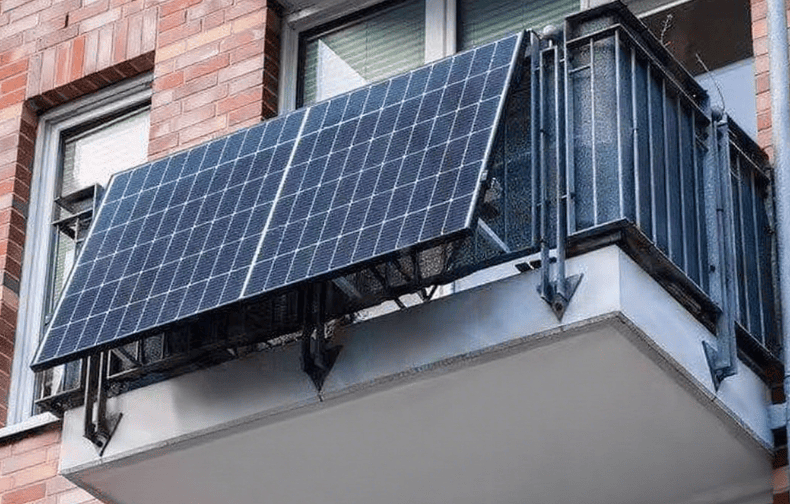
A well-engineered array also considers shading, cable routing, and maintenance accessibility. For example, in dense urban areas like London, modular balcony or wall-mounted arrays are gaining popularity — small systems that fit into limited spaces yet deliver tangible savings for apartment dwellers. This adaptability is what makes solar arrays essential to modern energy design — they scale from compact balcony kits to multi-megawatt solar farms.
Key Components That Work With a Solar Array
A solar array doesn’t operate alone. It works with several supporting components that ensure performance, safety, and long-term stability.
Solar Panels:These modules contain the photovoltaic cells that capture sunlight and convert it to DC power. Panel type and efficiency directly affect array performance.
Mounting Structure:This includes the racking, clamps, rails, and hardware that support the array. Roof-mount, ground-mount, and tracking structures all influence power production and stability.
Inverter (String, Micro, or Hybrid):It converts DC to AC. Microinverters and optimizers help eliminate shading losses and maximize output from each panel.
Wiring and Electrical Protection:Cables, connectors, grounding lugs, and disconnects ensure the safe flow of electricity.
Monitoring System:Most modern arrays include app-based monitoring so users can track performance daily, monthly, and yearly.
Why Solar Arrays Matter: Key Advantages
The importance of solar arrays lies in their scalability and efficiency. A single panel might power a small appliance, but when panels are organized into an array, they can power homes, businesses, and even cities. Arrays represent the first and most crucial step in renewable energy conversion — the part that turns sunlight into something tangible and measurable.
They’re also the most customizable component of a PV project. Whether it’s a residential rooftop array designed to offset household bills, a carport-mounted array providing both shade and energy, or a utility-scale array feeding the grid, every installation begins with the same principle: maximizing sunlight capture through smart structural and electrical integration.
A well-designed solar array provides several major benefits:
Scalability:Start small or expand over time. Arrays grow with your energy needs.
Higher Power Output:A single panel can’t power a home. A balanced array can.
Better Efficiency:Grouping panels into a unified system reduces losses and improves energy stability.
Flexibility for Every Site:Roof, ground, carport, or open field—arrays adapt to almost any environment.
Types of Solar Arrays:Solar arrays come in several forms depending on location and project size.
Residential Rooftop Arrays:Common for homes. They maximize space and reduce electricity bills.
Commercial & Industrial Arrays:Installed on large roofs or parking structures to support high energy demand.
Ground-Mount Arrays:Ideal for rural projects, farms, or sites with wide open land.
Utility-Scale Solar Farms:Massive fields with thousands of panels supplying power to the grid.
Real-World Examples of Solar Arrays in Action
Case Study 1: Residential Rooftop Upgrade (USA)
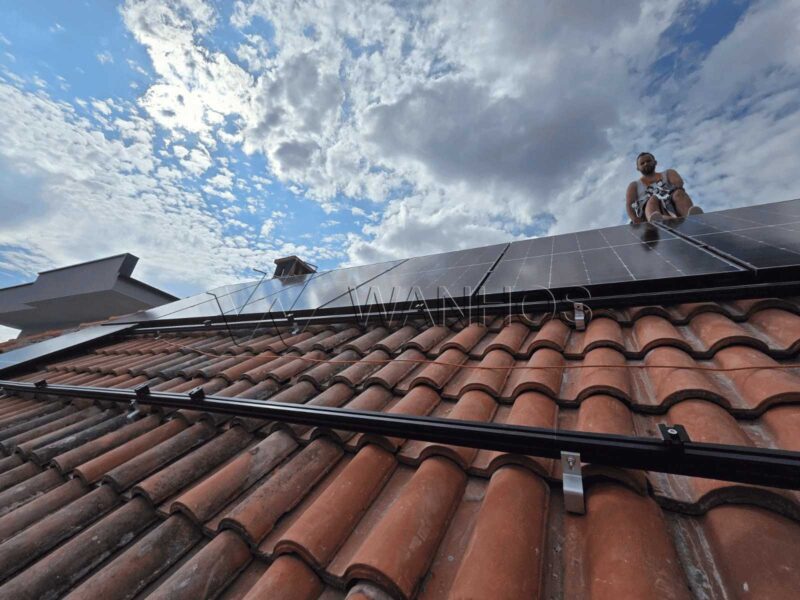
A homeowner in Arizona replaced a 12-year-old system with a new 8 kW solar array. By optimizing the panel layout and selecting higher-efficiency modules, the family increased energy production by 32% without needing extra roof space. Their electricity bill dropped from $180/month to under $20.
Case Study 2: Commercial Carport Array (Europe)
A distribution center in Spain installed a 450 kW solar carport array. The array now generates enough electricity to power 70% of the facility during daylight hours. It also provides shaded parking—an added advantage for employees during hot summers.
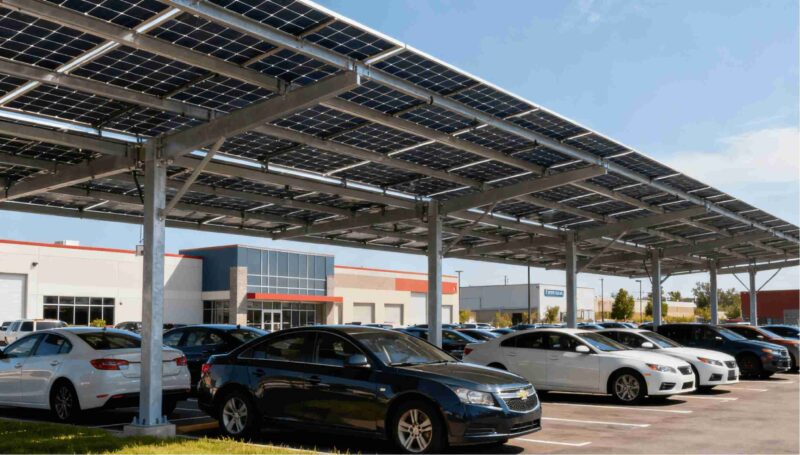
These cases show how different solar array designs can meet unique site needs.
Summary: Why Understanding Solar Arrays Matters
A solar array is more than a set of panels; it’s the core engine of a solar power system. By understanding how arrays work, how they are configured, and what they support, homeowners and businesses can make smarter decisions, optimize performance, and reduce long-term energy costs.
Whether you’re upgrading your current setup or designing a large commercial project, knowing how a solar array functions will help you get the most from your investment—and bring you closer to true energy independence.
If you’re looking for a complete, one-stop solution for solar power system installation and procurement, click here — One-click WhatsApp consultation Get the latest quotes and free design proposalsthe ——Wanhos team is ready to support you.