Solar Panel Mounting Choices That Can Quietly Undermine a Commercial Project’s Margin

When you’re buying or specifying solar panel mounting for a commercial project, the real question isn’t “which brand” but “which structural decisions will still matter in year seven, twelve, and twenty.” A mounting system looks simple on a datasheet, but its design, material mix, clamp compatibility, and connection logic directly shape installation man-hours, wind-load risk, long-term maintenance access, and even module warranty compliance. This article walks through the selection factors that EPCs, developers, and procurement teams weigh when a project’s financial performance hinges on getting the mounting spec right the first time.
Where Mounting Decisions Hit Project Cost Faster Than Module Prices
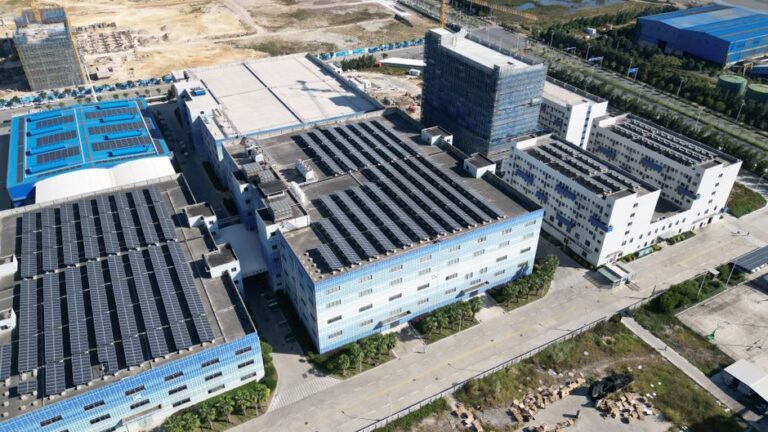
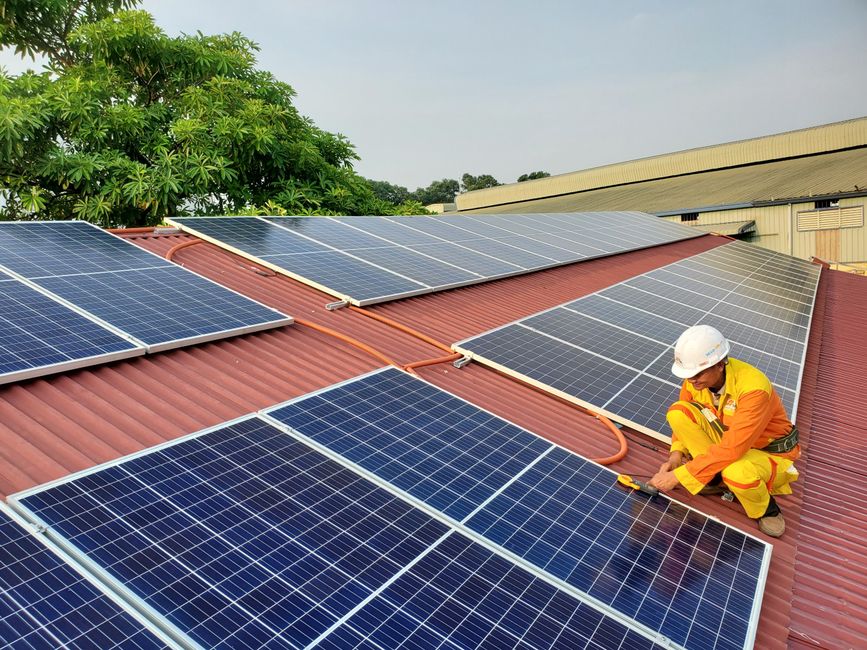
Module price per watt gets the attention, but solar panel mounting drives cost through a less visible path: installation speed, foundation logic, and structural rework. On a 500 kW commercial rooftop, moving from a fully loose-component rail system to a pre-assembled rail and clamp system can trim installation labor by 10–15% simply because crews spend fewer hours assembling small parts at height. On a ground-mount, selecting a ground screw foundation that matches the soil’s friction angle can avoid helical pile rejection and concrete overdesign — a single pile pull‑test failure on site can delay a sub‑100 kW ground array by two weeks and add unexpected civil costs.
Material Choice Is a Corrosion and Thermal Expansion Decision, Not a Weight Debate
Commercial buyers frequently ask whether aluminum or steel is better. The answer depends on environment, roof type, and the mounting interface, not just upfront material cost. AL6005‑T5 aluminum rail systems bring nearly zero maintenance corrosion resistance in most non‑industrial atmospheres and avoid rust entirely. HDG (hot‑dip galvanized) steel structures can offer higher stiffness per kilogram and a lower material price point, but if the galvanization layer gets scratched during installation or if drainage points collect water on a steel carport column, rust propagation begins earlier than planned. On flat commercial roofs where ponding is possible, aluminum’s lack of red‑rust risk often justifies the slightly higher per‑meter rail cost. For coastal zones, pairing AL6005‑T5 with SUS304 stainless fasteners — not just any stainless — is non‑negotiable to avoid galvanic corrosion that eats cheaper bolts in 2‑3 years.
| Factor | Aluminum (AL6005-T5) | Hot-Dip Galvanized Steel |
|---|---|---|
| Corrosion Mechanism | Surface oxidation creates self‑protecting layer; no red rust | Zinc sacrificial layer; once zinc is consumed, base steel rusts |
| Compatible Fasterners | SUS304 / A2‑70 stainless minimum; avoid zinc‑plated carbon steel | HDG bolts or compatible stainless; dissimilar metal risk must be checked |
| Weight per meter | Lower; easier for rooftop handling and crane‑less installation | Higher; may reduce rail quantity but increases dead load on roof |
| Thermal Expansion | Higher linear expansion; long rail runs need expansion joints | Lower expansion; less movement, but still requires splice design |
| Best Suited Project Type | Flat and low‑slope commercial roofs, coastal installations, long‑lifecycle assets | Ground mounts, carports, aggressive budget scenarios, when deflection limits are tight |
Rail Span, Not Rail Profile, Determines How Much You’re Over-Engineering
Commercial roof layouts often default to 1.2‑1.5 m rail span because the structural report says so. What many project engineers miss is the interaction between rail span, module frame clamp position, and local wind‑uplift pressure. Moving a clamp 100 mm inward from the module corner can reduce rail deflection more than upsizing the rail profile. On flat‑roof east‑west systems with tilted rows, the wind‑load calculation is not just a simple uplift coefficient — the ballast weight and rail span must be verified per row because the leading edge sees 1.5–2× the pressure of inner rows. Over‑spanning by even 200 mm per rail on that front row puts the system into a load zone that the module manufacturer’s mounting clamp test report does not cover. That’s a module warranty risk that a datasheet won’t catch.
Engineering Tip: Wind Uplift for Low‑Slope Commercial Roofs
On a flat roof with parapet, wind tunnel studies show corner and edge zones can see net pressure coefficients beyond typical simplified code values. Before signing off on the mounting layout, confirm that the clamp vertical pull‑out value and rail bending capacity are checked against the actual zone‑specific pressure, not just the array‑averaged uplift. This single check can prevent the need for retrofitted ballast or additional roof attachments after the first wind event.
Roof Type Isn’t a Label — It’s a Different Attachment Logic
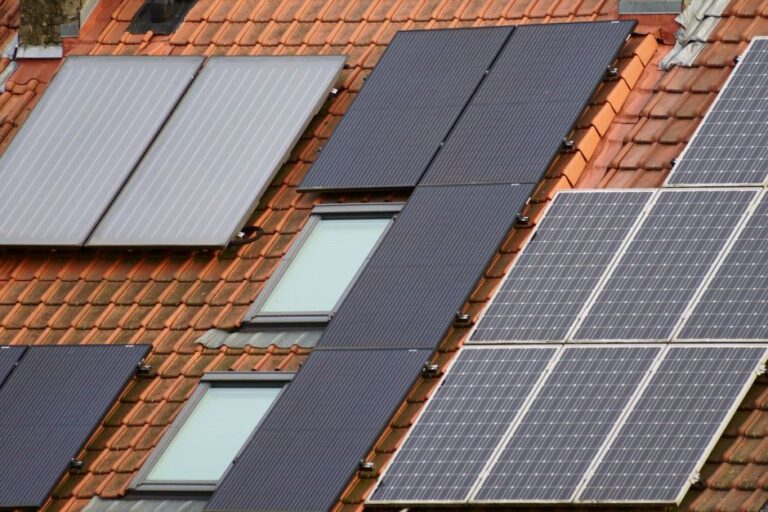
A commercial metal trapezoidal roof, a concrete flat roof, and a membrane‑covered flat roof each demand a fundamentally different solar panel mounting approach, yet I’ve seen the same bracket kit specified across all three because “the load table allows it.” On standing‑seam metal roofs, clamp‑only attachments avoid penetration but introduce seam‑clamp slippage risk if the seam’s tensile strength is misjudged. On a concrete roof with waterproofing, the decision between chemical anchor and through‑bolt isn’t academic — a poorly sealed channel can let water migrate under the membrane, creating a leak that only appears after two rainy seasons. For TPO/PVC membrane roofs, a non‑penetrating ballasted system seems straightforward, but the distribution of point load from a mounting tray onto the insulation board must be checked; otherwise, insulation compression reduces the roof’s thermal performance and can cause long‑term ponding.
Installation Speed: Where Pre‑Assembly and Module‑First Logic Win
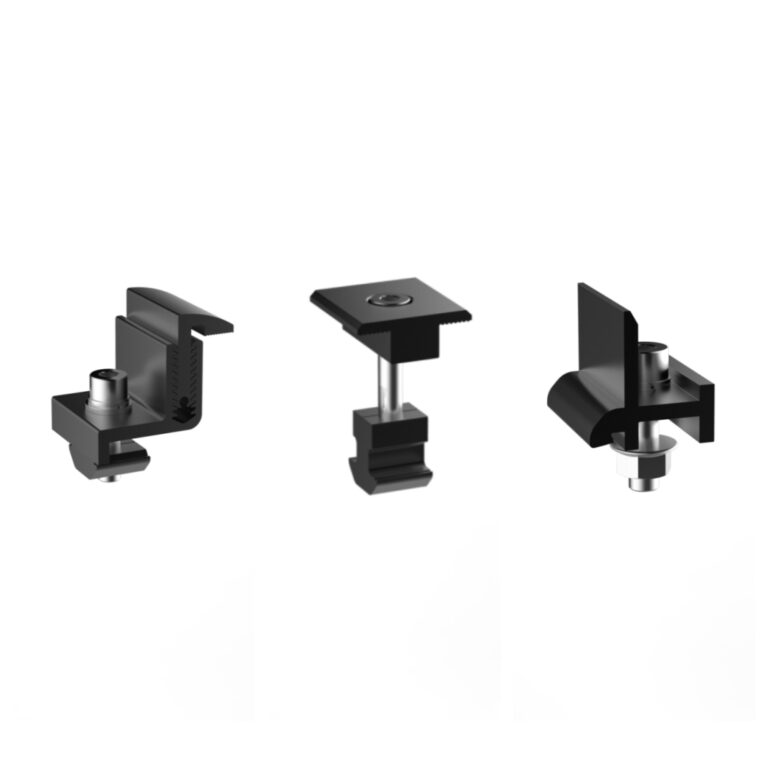
On large commercial projects, the labor difference between a standard rail system with separate mid‑clamps, end‑clamps, and loose nuts, versus a pre‑assembled click‑in system can be the deciding factor in the EPC margin. Pre‑assembled clamps and rail connectors, where the nut and bolt are captive, eliminate the “dropped‑nut on roof” time waste and allow one‑tool installation. Some mounting designs also allow module‑first placement: the module frame rests on the rail ledge and gets clamped in one motion rather than two. This isn’t just ergonomics — over a 1 MW roof, shaving 10–15 seconds per module adds up to nearly two crew‑days. That directly affects the installation cost per watt your procurement team cares about.
Long‑Term Performance Is About Inspection Access and Hidden Fastener Decay
Commercial solar systems are expected to perform for 25+ years, so the mounting structure’s long‑term health matters. The first thing that ages is not the rail but the fasteners and the grounding path. In humid or coastal environments, I’ve inspected five‑year‑old systems where the bolt head looked fine from above but the thread inside the channel was corroded because water sat in the channel slot without drainage. A well‑designed commercial mounting rail includes drainage slots or a profile shape that prevents water pooling. Also, the grounding connection between modules and rail relies on clamp teeth or integrated grounding washers; if those washers lose spring tension or oxidize, the grounding path resistance climbs. Your O&M team will need to check a sample of clamps every few years, especially on the array edge rows exposed to the most weather.
How to Evaluate a Supplier Without Visitng Their Factory
When a mounting manufacturer sends you a quote, there are three non‑obvious things to check:
- Clamp‑module compatibility test sheets. Reputable suppliers test their clamps with module frame drawings (not just standard 35/40 mm thickness) and can show the pull‑out test values aligned with the module maker’s clamping zone and approved pressure. If they can’t name the 2‑4 major module brands they’ve matched, the quote needs more engineering backup.
- Wind‑load calculation example for your region. A supplier that routinely ships to your market should be able to provide a sample calculation referencing AS/NZS 1170, Eurocode 1‑1‑4, or the relevant local code, not just a generic “designed for 160 km/h” claim.
- Pre‑assembly ratio. Ask what percentage of the total component count can arrive pre‑assembled. A higher pre‑assembly ratio directly reduces on‑site labor and the chance of missing small parts — missing 50 nuts on a remote site stops work as surely as a missing main beam.
FAQ for Commercial Solar Mounting Decisions
What’s the difference between rail‑based and rail‑less solar mounting for commercial flat roofs?
Rail‑based systems use continuous aluminum rails for module support and often allow easier tilt‑angle adjustment. Rail‑less systems attach modules directly to roof anchors or ballast trays without longitudinal rails, reducing component count and sometimes installation time. On large flat roofs, rail‑less can speed up installation but may limit the flexibility to shift module rows during layout if roof obstacles are discovered late.
How do I know if the mounting system is compatible with my specific module model?
Check the supplier’s clamp‑module test report that references the exact frame height (30/35/40 mm), the allowed clamping zone measured from the module corner, and the mechanical load test values. The clamp should not press on the laminate and its vertical pull‑out capacity must exceed the site‑specific wind load. A generic claim of “fits all modules” is a red flag.
What wind load should a commercial solar panel mounting system be designed for?
It must be designed for the basic wind speed at the project location, adjusted for building height, terrain category, roof zone, and tilt angle — per the local structural code (AS/NZS 1170, Eurocode, ASCE 7, etc.). A mounting quote that only lists a generic wind speed without referencing the roof zone and code parameter is insufficient; edge and corner zones can require 2–3× higher uplift resistance than the center of the roof.
How can I reduce solar mounting installation time on a large commercial roof?
Use pre‑assembled clamp and rail connections to eliminate loose‑component assembly. Lay out rails in longer, pre‑cut lengths to reduce splices. Consider east‑west orientation with low tilt (10–15°) to minimize ballast handling and shorter rail bending moments. Module‑first designs where panels rest on the rail ledge before final clamping also reduce the number of holding and aligning steps per panel.
Is aluminum mounting always the right choice for commercial projects?
Aluminum (AL6005‑T5) is excellent for most flat and low‑slope commercial roofs due to corrosion resistance and weight, but if your structure needs very long spans with high snow load, a hot‑dip galvanized steel support frame beneath the aluminum rail can be a more cost‑effective hybrid solution. The material decision should be checked against the specific span table, not a blanket preference.
Before You Send a Quotation Request
Solar panel mounting for commercial projects stops being a commodity item the moment site‑specific requirements like roof type, wind zone, module clamping zone, and installation sequence enter the picture. The best approach is to prepare a simple one‑page brief with roof plan dimensions, module drawing, wind region, and expected installation method. That brief allows the mounting supplier to return a technical quote with a pre‑engineered layout, not just a parts list.
Wanhos works with EPCs and developers on exactly this kind of pre‑engineering. We supply AL6005‑T5 aluminum mounting systems, hot‑dip galvanized steel ground‑mount structures, and solar carport frames with pre‑assembled component options. More importantly, our application engineers review the clamping zone against your actual module and wind load so the BOM you receive isn’t a generic guess. If your next commercial solar project needs mounting that aligns with the installation logic and long‑term reality you have in your head — not just a catalog — send us your project details and we’ll help you match the right system to the job.