“Solar fence” can generate electricity and block wind
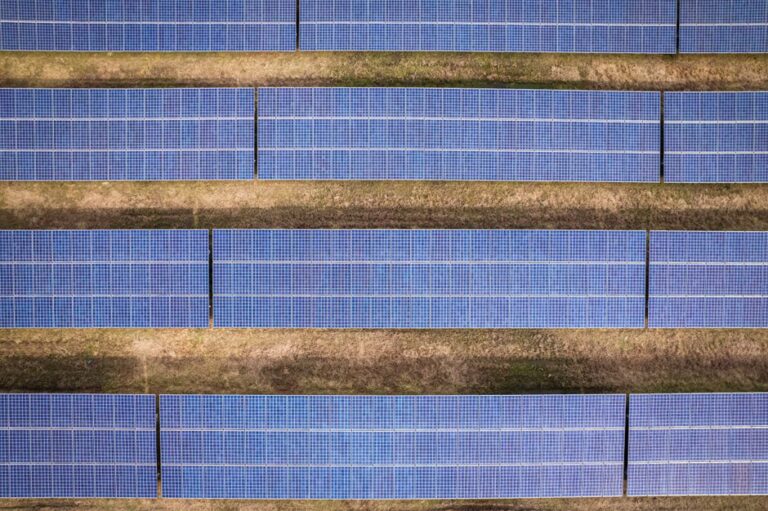
As solar panel prices fall rapidly, researchers want them to play a bigger role on farmland. New bifacial panels–solar fence can generate electricity while protecting crops and livestock from wind. Researchers recently shared these findings on the preprint platform Research Square.
In recent years, some farmlands have begun to install solar panels. Studies have found that this device, called “agrivoltaics,” may excessively shade plants or limit land for food production.

One solution is to place bifacial panels in vertical rows in the fields. This vertical layout completely changes the land occupation mode of traditional flat panels, leaving more field space for farming activities – agricultural machinery can freely shuttle between the channels between the panels to carry out full-process operations such as sowing, fertilizing, and harvesting, greatly improving the convenience and efficiency of agricultural production. East-west facing panels capture morning and evening sunlight for power.
Researchers ran a one-year pilot study. They installed a 44.4-kilowatt bifacial system in winter wheat and alfalfa fields. The goal was to measure crop yield impact. Panels stood 3 meters high with a 50-centimeter ground gap.
The study found vertical panels cut average wind speed by about 50% versus open fields. They also helped retain soil moisture. Overall crop yields did not decrease.
Solar racks can be installed vertically to build solar fences.At Wanhos, we specialize in providing top-tier solar racking systems that are designed to withstand the toughest weather conditions while offering flexibility and cost-effective installation options.
In higher latitudes, when sunlight is weaker in winter, vertical panels can work well. This research is still in its early stages, and more work needs to be done to evaluate the system’s performance in extreme weather and different crop types.
One-click WhatsApp consultation Get the latest quotes and free design proposals