China Solar Roof Mounting Brackets Wholesaler
Solar panel racking (mounting) systems are the crucial structural framework that securely attaches solar panels to your roof, ground, or other surfaces. They ensure panels are positioned at the optimal angle for sunlight exposure, provide ventilation, and withstand environmental forces like wind and snow. Choosing the right type depends primarily on your installation site, speed of installation and budget. This article will help you learn more about Wanhos’s solar panel mounting systems.
What is Photovoltaic Mounting System?
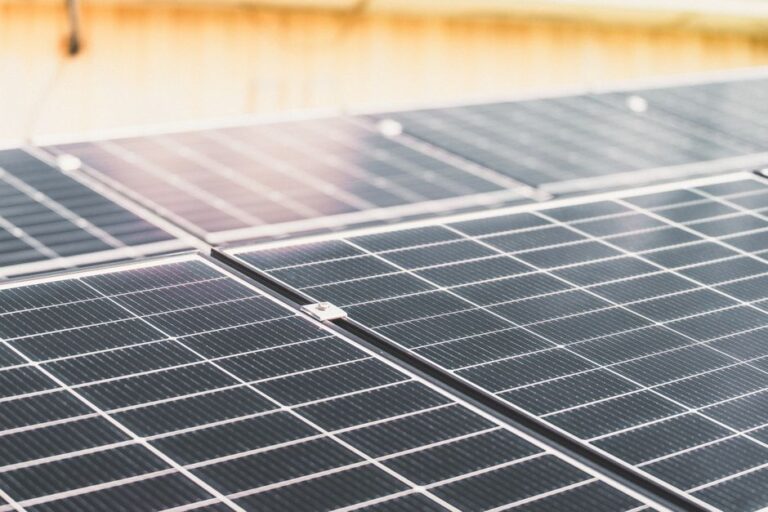
Photovoltaic mounting systems are used to fix solar panels on surfaces like roofs, building facades, or the ground. Key components of the system includes brackets and clamps for attaching panels to the racking. These mounting systems generally enable retrofitting of solar panels on roofs or as part of the structure of the building.
The commonly used material for ground mounts is aluminum , offering durability and corrosion resistance. Other commonly used materials include carborn steel, galavanized steel, hot-dip galvanized steel etc. Generally, suitable materials are selected based on factors such as geographical location and climate.


Types of Racking for Solar Panel
Roof Mounting System
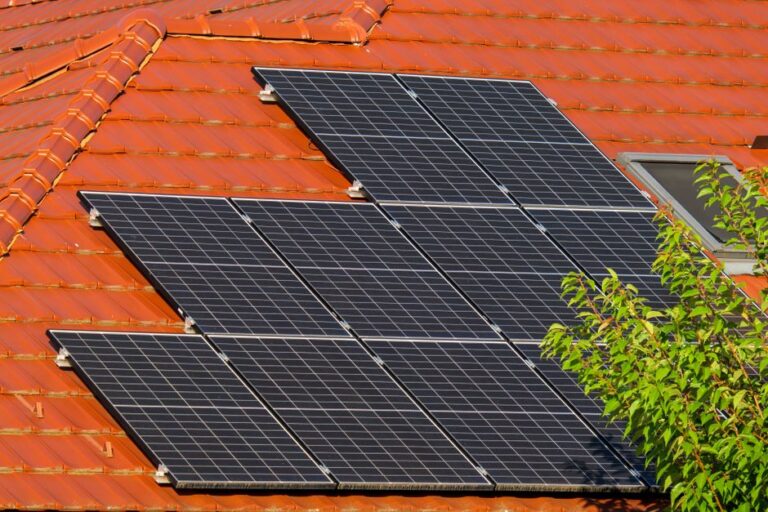
Pitched Roof Racking System:
Design Features: The system is often customized based on the roof’s angle to maximize the solar panel’s efficiency. The brackets may need to be adjusted to accommodate different roof angles (typically between 15° to 60°) and shapes.
- Advantages:
- Better angle optimization for increased solar panel performance.
- Can generally withstand higher wind loads.
- The natural roof pitch reduces the need for additional adjustments during installation.
- Installation Difficulty: Relatively high, requiring precise alignment with the roof’s angle and shape.
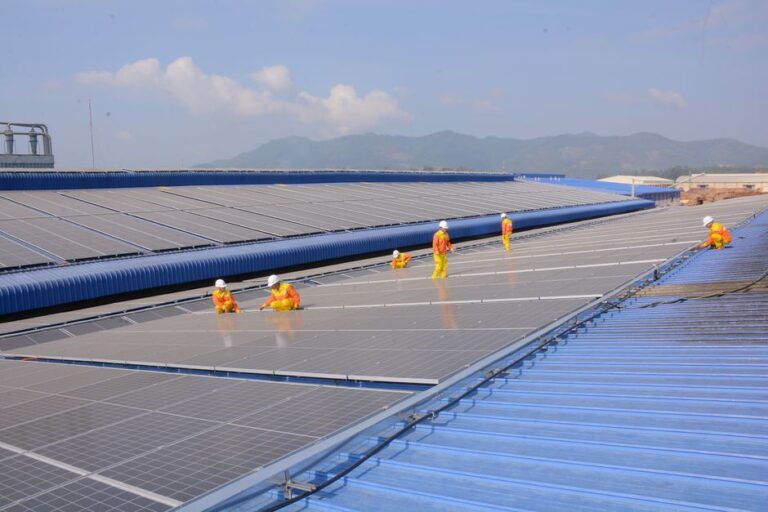
Flat Roof Racking System
Design Features: The flat roof system often includes adjustable frames to ensure the solar panels are at an optimal angle to capture sunlight. Many systems are designed to adjust the angle depending on the conditions.
- Advantages:
- Easier installation as there are no complex roof angles to accommodate.
- The ability to adjust the angle of the solar panels to optimize sunlight exposure.
- Flexible and adaptable to different sunlight conditions.
- Installation Difficulty: Relatively low, as the roof’s slope is not an issue.
Ground Mounting System
Aluminum Ground Mounting System
- Advantages:
- Lightweight, making it easier and cheaper to transport and install.
- Corrosion-resistant, ensuring a longer lifespan.
- Minimal maintenance required.
- Disadvantages:
- More expensive compared to other systems due to the cost of aluminum.
- Less sturdy than steel in some environments.
Pile Ground Mounting System
- Advantages:
- Can be used in a variety of terrains, including soft or uneven ground.
- Strong and stable, especially in areas with high winds or unstable ground conditions.
- Easy to install without requiring concrete foundations.
- Disadvantages:
- Installation can be more complex and may require special equipment for pile driving.
- Not as cost-effective in solid, firm ground.
UB Ground Mounting System
- Advantages:
- Very sturdy and capable of supporting large solar arrays.
- Good for large-scale commercial solar projects where strength is a priority.
- Highly durable and long-lasting when treated against corrosion.
- Disadvantages
- Heavier than aluminum and C-steel, making transportation and installation more difficult.
- More expensive than some other systems due to the strength and durability of the material.
C-Steel Ground Mounting System
- Advantages:
- Very strong and durable, making it ideal for harsh weather conditions.
- Cost-effective compared to aluminum systems.
- Easier to fabricate and customize.
- Disadvantages
- Prone to corrosion if not properly coated or treated.
- Heavier than aluminum, which can make transportation and installation more difficult.
Contact us to know more about solar pannel mouting systems.
Xiamen Wanhos Solar Technology Co.,Ltd
https://wanhos.com/