
What Materials Are Solar Mounting Brackets Made Of?
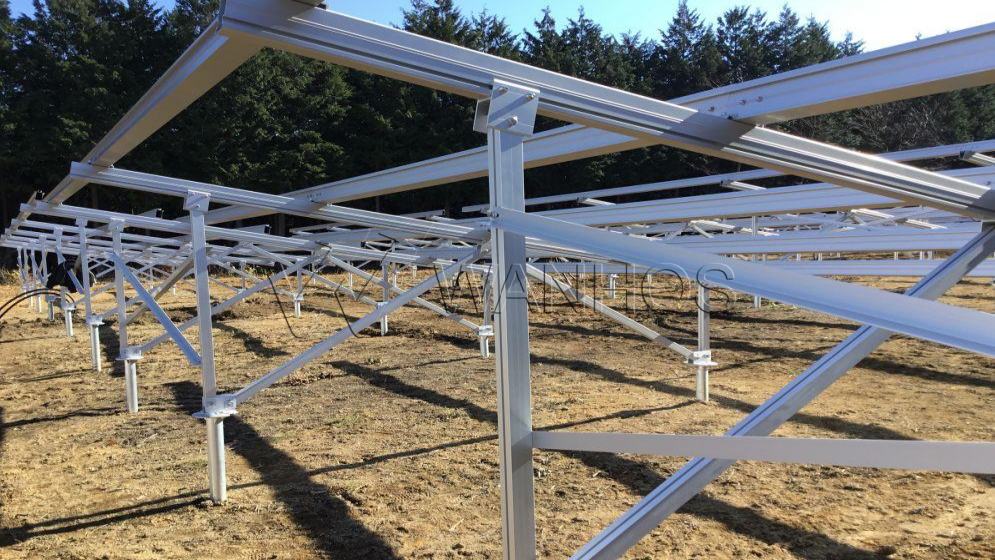
Solar mounting brackets are the backbone of any photovoltaic (PV) installation, supporting and securing solar panels in place. The choice of material impacts the system’s strength, corrosion resistance, lifespan, and cost. Common options include aluminum alloy, galvanized steel, stainless steel, flexible steel cable structures, and fiber-reinforced composites.
While aluminum is lightweight and corrosion-resistant, galvanized steel offers higher load-bearing capacity at a lower price. Stainless steel provides exceptional durability but comes at a premium. Flexible cable structures save materials and adapt to complex terrain, while composite materials offer innovative lightweight solutions.
Comparison of Common Solar Mounting Bracket Materials
| Material Type | Key Features | Advantages | Limitations | Typical Applications |
|---|---|---|---|---|
| Aluminum Alloy | 2.71 g/cm³, anodized ≥15 μm | Lightweight, corrosion-resistant, low maintenance, long service life | Lower load capacity, ~3× cost of steel | Rooftop PV where weight matters |
| Galvanized Steel | 7.85 g/cm³, hot-dip galvanized ≥65 μm | High strength, cost-effective, stable performance | Heavier, requires periodic anti-corrosion maintenance | Large-scale ground PV plants |
| Flexible Cable Structure | Steel cables/ropes with hot-dip galvanization | Saves 30–40% steel, handles typhoons up to Grade 16, adaptable to complex sites | More complex installation, needs corrosion checks | Mountain areas, floating PV, agrivoltaics |
| Stainless Steel (304) | High corrosion resistance | Long lifespan, high recycling value | High cost, limited use in mainstream projects | High-end, long-term installations |
| Fiber-Reinforced Composites | Lightweight, strong, low-cost | Corrosion-resistant, easy to handle | Less proven in large-scale projects | Emerging niche PV systems |
Choosing the Right Material
The best material depends on project priorities. Aluminum is ideal for lightweight rooftop systems; galvanized steel suits high-strength ground mounts; flexible structures work well in difficult terrains; stainless steel is reserved for premium projects; and composites offer potential in cost-sensitive or innovative applications. By understanding the material properties, you can balance cost, durability, and performance for optimal PV system results.


