Floating Solar vs Ground Mounted Solar
As solar energy adoption grows worldwide, choosing the right type of installation becomes a crucial decision for project developers, businesses, and even communities. Among the most popular options today are floating solar systems and ground-mounted solar systems. Both technologies generate clean energy effectively, but their designs, advantages, and challenges make them suitable for different scenarios. So, floating solar vs ground mounted solar—how to choose the solution that actually fits your needs best for your project is the topic we are going to talk about in this article.
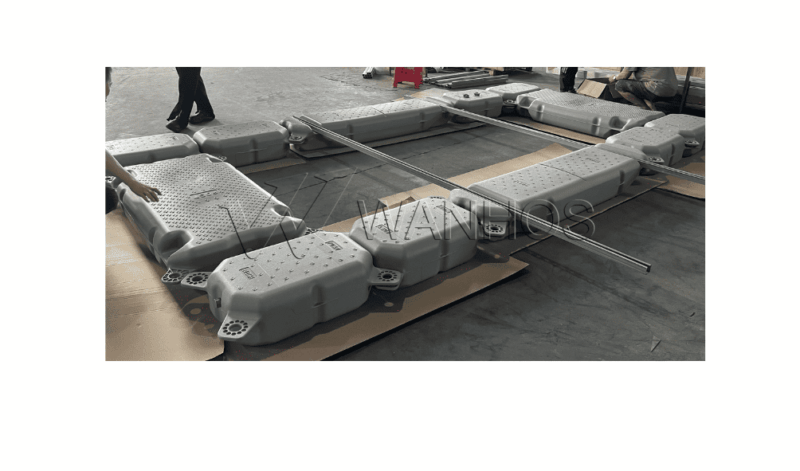
Floating Solar: An Emerging Innovation
Floating solar, also called floating photovoltaic (FPV), involves installing solar panels on buoyant structures placed on water surfaces such as reservoirs, lakes, or hydropower dams.
Advantages
- Efficient Land Use: Ideal for areas with limited land availability, as it does not compete with agriculture or urban development.
- Cooling Effect: Water naturally cools the panels, improving efficiency and reducing heat-related performance losses.
- Reduced Evaporation: Helps conserve water in reservoirs by shading the surface.
- Scalability: Suitable for large-scale projects, especially in regions with abundant inland water bodies.
Disadvantages
- Higher Installation Cost: Requires specialized floating structures and anchoring systems.
- Maintenance Complexity: Accessibility on water makes repairs and cleaning more challenging.
- Environmental Concerns: Potential impact on aquatic ecosystems if not designed carefully.
Ground Mounted Solar: A Proven Standard
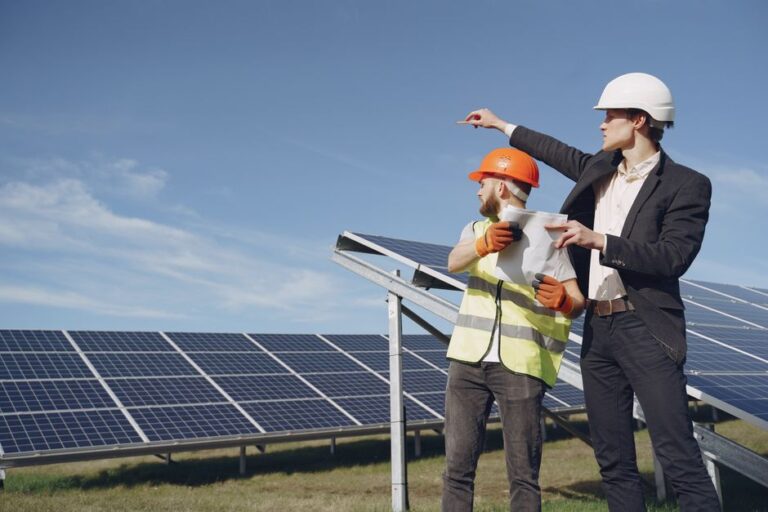
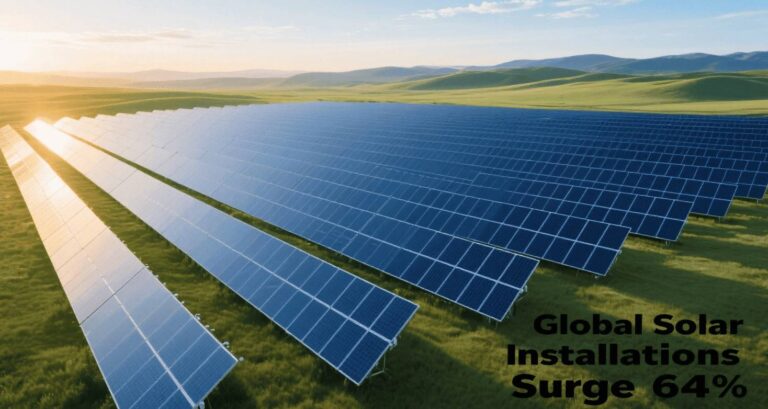
Ground-mounted solar systems involve fixing panels on steel or aluminum racking systems anchored into the soil, typically in open fields.
Advantages
- Mature Technology: Widely adopted with established standards and installation expertise.
- Flexibility in Design: Can adjust panel tilt and orientation for maximum sunlight capture.
- Easier Maintenance: Panels are more accessible for cleaning, monitoring, and replacement.
- Wide Applicability: Suitable for utility-scale farms, commercial properties, and rural landowners.
Disadvantages
- Land Requirement: Occupies large tracts of land, which may conflict with agriculture or urban expansion.
- Heat Accumulation: Panels can get hotter on land, slightly reducing efficiency compared to water-based systems.
- Environmental Impact: Land clearing can affect biodiversity and natural habitats.
Floating Solar vs Ground Mounted Solar: Pros and Cons
| Aspect | Floating Solar | Ground Mounted Solar |
|---|---|---|
| Land Use | Saves land, uses water surfaces | Requires large land areas |
| Efficiency | Higher efficiency (water cooling effect) | Slightly lower (panels heat up on land) |
| Installation Cost | Higher (special floats & anchoring) | Lower (standardized racking & piles) |
| Maintenance | More complex, less accessible | Easier, more accessible |
| Environmental Impact | May affect aquatic ecosystems | May require land clearing |
| Best Use Case | Densely populated areas with reservoirs | Rural, desert, or land-rich regions |
Installation Difficulty
- Floating Solar: Requires advanced engineering for floating platforms, anchoring, and waterproof cabling. Installation teams must be trained in both solar and marine systems.
- Ground Mounted Solar: Simpler installation with standardized racking, piles, or ground screws. Installation speed is faster and often cheaper compared to FPV.
Application Scenarios
- Floating Solar: Best suited for countries with high population density and limited land, such as Japan, Singapore, and parts of Europe. Also valuable for hydropower plants, where FPV can complement existing infrastructure.
- Ground Mounted Solar: Ideal for regions with abundant land resources—common in rural areas, deserts, or agricultural fields. Perfect for large solar farms connected to the grid.
Who Should Consider Each Option?
- Floating Solar is suitable for:
- Utilities or governments with water reservoirs and limited land.
- Developers aiming for higher efficiency in hot climates.
- Organizations focusing on dual benefits like energy generation and water conservation.
- Ground Mounted Solar is suitable for:
- Businesses and farmers with available land.
- Investors seeking lower upfront costs and proven technology.
- Large-scale energy projects aiming for rapid deployment.
Conclusion
Both floating solar and ground-mounted solar systems provide sustainable, cost-effective energy solutions, but the right choice depends on your project’s specific needs. If land is scarce and water resources are available, floating solar can deliver higher efficiency and unique benefits. On the other hand, if you have land to spare and want a cost-effective, easy-to-maintain option, ground-mounted solar remains the more practical solution.
By carefully evaluating land availability, budget, and long-term goals, project owners can determine which solution truly fits their needs.