Heavy Rain Coming? 4 Key Tips to Protect Your Solar Panel Racking from Flood Damage
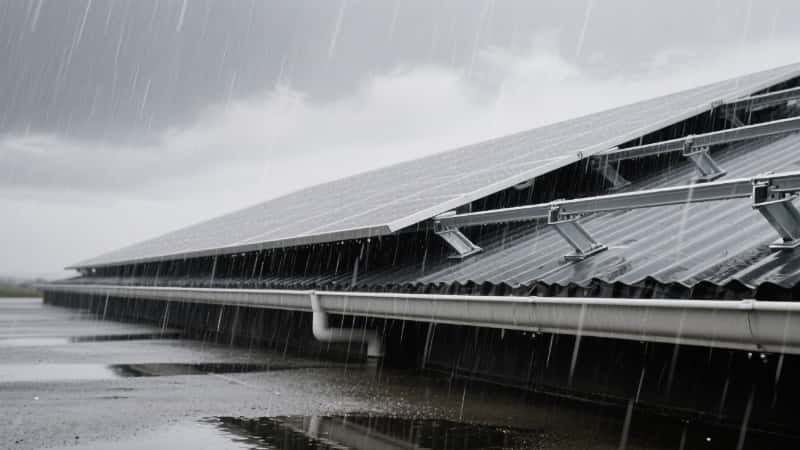
During periods of heavy rainfall, solar system owners and maintenance personnel often face serious challenges such as reduced power generation efficiency and increased safety risks. No one wants to see their solar installation unexpectedly turn into an “aquavoltaic” project! So how can you ensure your PV system remains safe and continues to operate reliably during extreme weather events?
With extensive experience in solar mounting system manufacturing, we would like to share some practical advice:
1. Ground-Mounted Solar Plants
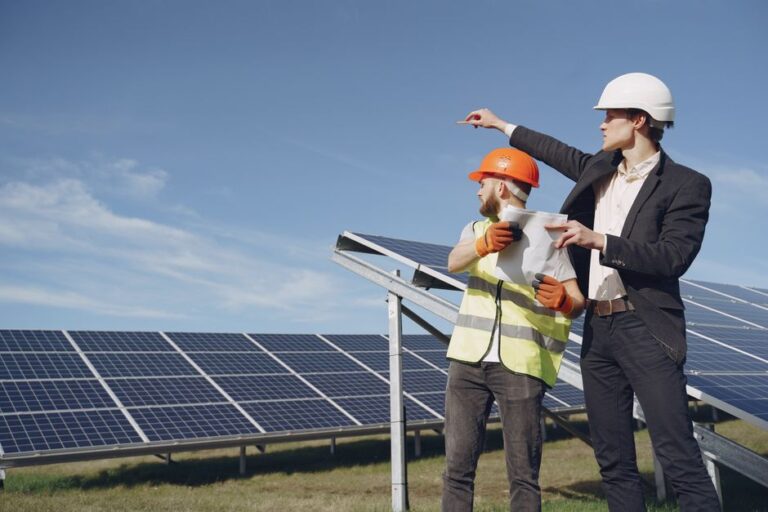
When installing ground-mounted systems, it is essential to consider terrain conditions, potential geological hazards, water depth, flood levels, and drainage capacity. Many solar projects built over ponds have experienced flooding incidents due to insufficient mounting height and inadequate drainage design. Therefore, site selection should not only consider cost factors but also prioritize operational safety. Utilizing waterproof solar panel racking systems can provide additional protection against water damage.
2. Rooftop Solar Installations
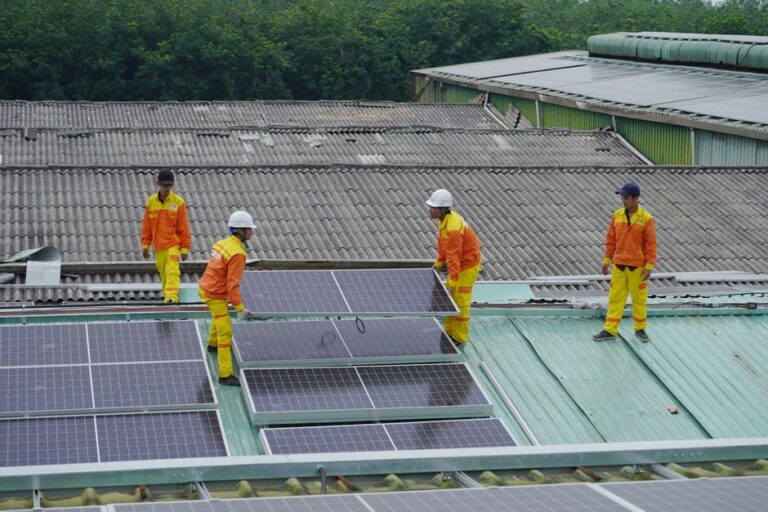
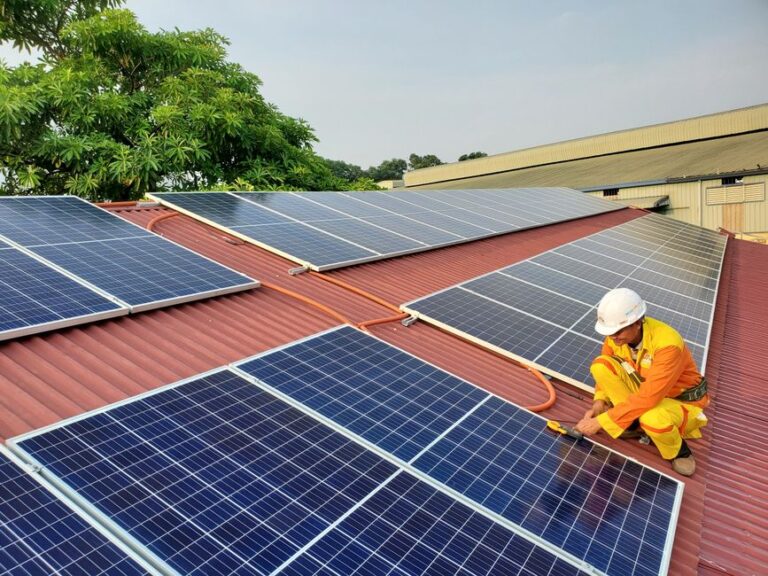
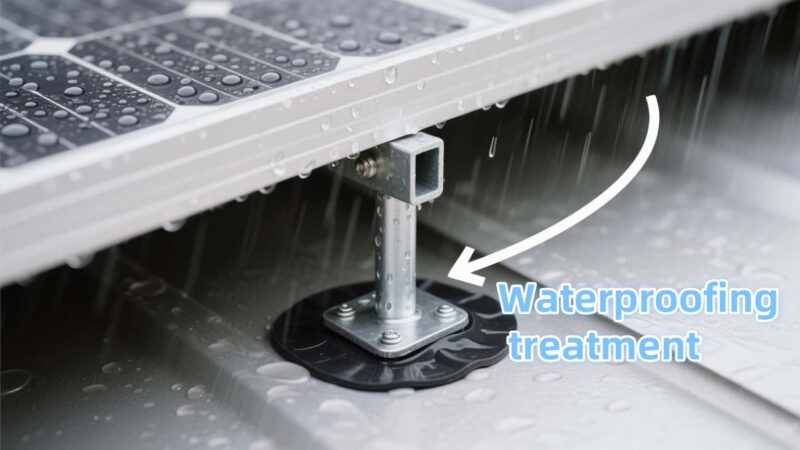
Rooftop solar systems are less likely to suffer from complete flooding, but they still require protection against water infiltration. Beyond ensuring the roof structure can support all required loads (including static, wind, snow, and seismic loads), the installation of waterproof solar mount systems must follow proper specifications. The array should ideally face south to maximize sunlight exposure, with tilt angles approximating local latitude. Layout spacing should be determined based on local sunlight conditions and roof dimensions.
3. Equipment Selection Criteria
While most major inverter brands offer IP65-rated waterproof enclosures, prolonged exposure to heavy rain and humidity can still affect system components. This is particularly important for aquavoltaic projects where solar mounting systems may be partially submerged for extended periods. The critical question is: how can these systems resist corrosion for 10+ years, maintain structural strength for 20+ years, and preserve stability for 25+ years?
This requires specialized material selection. Our approach includes:
- Aluminum components: AL6005-T5 grade with 12-15μm anodized coating
- Stainless steel: 304 grade
- Structural steel: Q235 grade with 80μm average hot-dip galvanization
These waterproof solar panel racking materials provide excellent corrosion resistance and durability, supporting system lifespans exceeding 30 years.
4. Invest in Comprehensive Protection
While cost-effectiveness and rapid deployment are important, investment in system security should not be overlooked. Solar power plants should be covered by property insurance to mitigate losses from natural disasters. Additionally, business interruption insurance during operation and construction risk insurance during installation are equally important.
Reliable power generation depends on quality products, proper installation, and regular maintenance. Timely cleaning, fault detection, and component replacement are all crucial. We recommend working with established solar mounting manufacturers who can provide long-term technical support and reliable waterproof solar mount solutions. A well-designed and properly maintained solar system can provide households with stable long-term returns, while substandard installations may not only underperform but also create safety hazards.