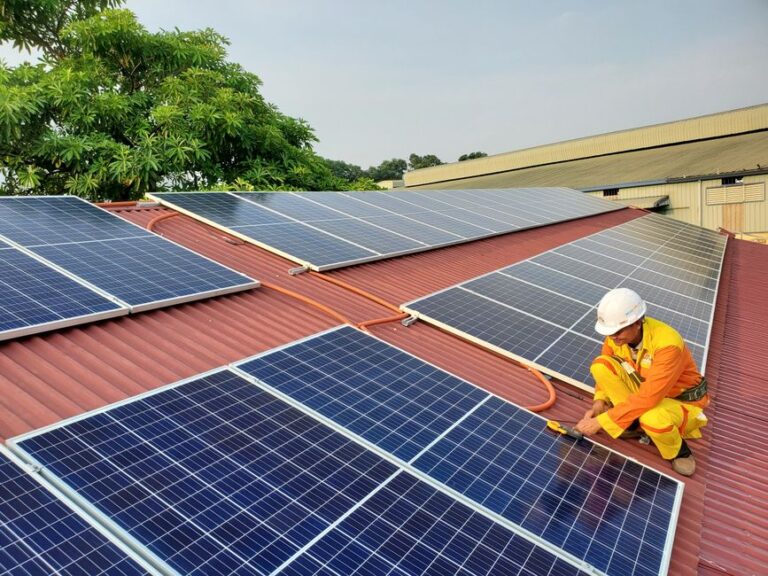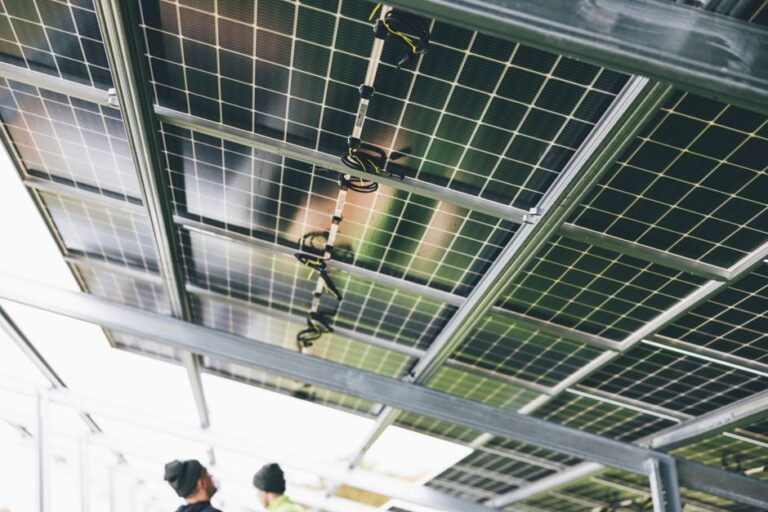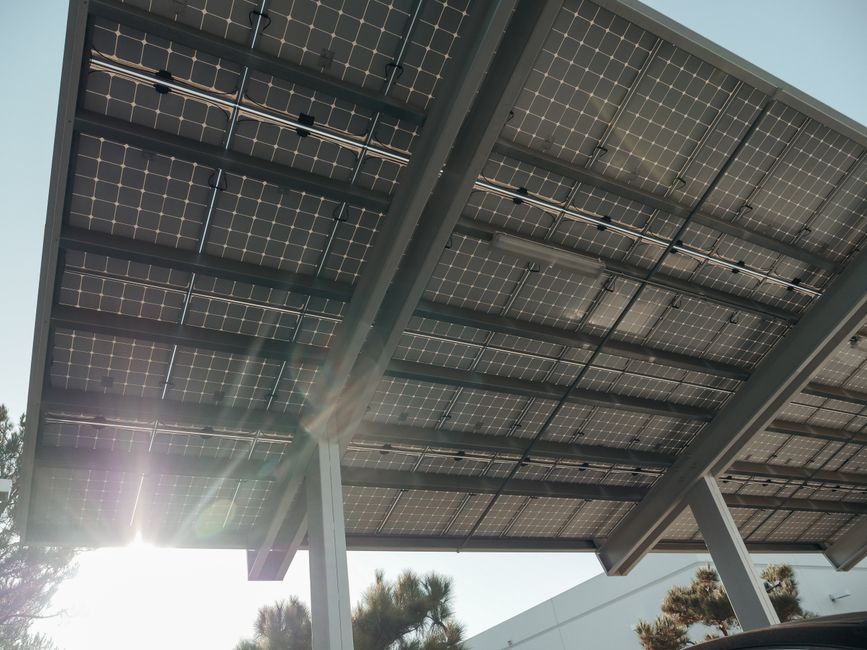
Carport Aluminium Solar Structures: Design Decisions That Affect Corrosion Life, Parking Clearance, and Installation Speed
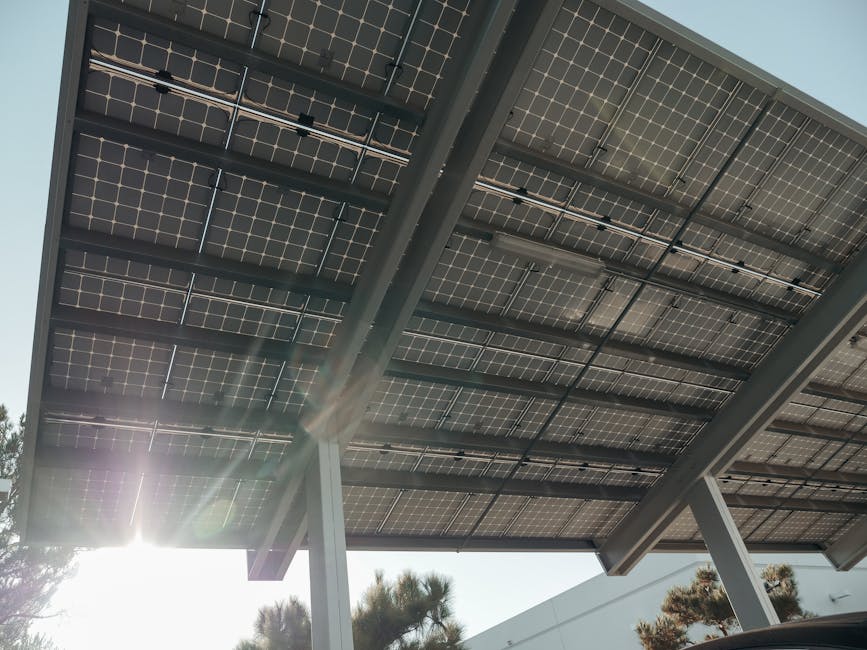
When a project team starts talking about solar carports, the question of aluminium versus steel comes up fast. It is not a simple “which is better” question. A large commercial parking lot five kilometres from the coast has different priorities than a small office carport in a marine environment. This article walks through the real engineering and procurement factors tied to aluminium carport systems—corrosion behaviour, structural span limits, fastener selection, thermal movement, and what to have ready before you ask a manufacturer for a quotation. If you are an EPC contractor, installer, or project developer evaluating a carport system, you will find practical decision points here, not generic marketing bullet points.
Key Takeaways
- Aluminium carport structures typically use AL6005-T5 alloy, which resists atmospheric corrosion without repainting. However, coastal or industrial zones demand careful fastener and isolation details to prevent galvanic issues.
- Compared with equivalent hot-dip galvanized steel systems, aluminium carports often cut structure weight by 40–50%, which can reduce foundation requirements and crane time on tight sites.
- Thermal expansion in aluminium is about twice that of steel, so joint detailing must allow movement; overlooking this leads to distorted rails or stressed module frames over 15–20 metre roof runs.
Why Aluminium Carport Systems Keep Gaining Ground in Commercial Solar Parking
We see aluminium specified more often on projects where design life expectation is 25–30 years and maintenance access complicates repainting. Aluminium naturally forms a stable oxide layer that protects the profile from atmospheric corrosion. You do not need periodic repainting, and the material does not rust in the classic sense. For covered parking where water runoff might hold road salt or bird droppings, anodized or powder‑coated aluminium holds up far better than standard painted steel.
Weight is another practical factor. A typical aluminium carport structure with purlins and main beams can weigh under 15 kg/m² of covered area, whereas a comparable hot‑dip galvanized steel frame often exceeds 25 kg/m². That difference matters when you are working with existing asphalt parking areas where heavy foundation equipment is restricted. It also speeds assembly: lighter beams mean smaller lifting equipment or manual handling on smaller sites, which shortens the installation schedule by days on a 100‑space carport.
The trade‑off is upfront material cost. Aluminium extrusions are more expensive per kilogram than structural steel. But the cost gap narrows when you consider reduced foundation volumes, faster labour cycles, and zero painting maintenance over decades. For a carport designed to last 25 years, the total lifecycle cost often favours aluminium, especially where the site is within 5 km of a coastline or in a high‑humidity region.
Engineering Tip: Thermal Expansion in Long Aluminium Runs
Aluminium expands roughly 0.024 mm per metre per degree Celsius. On a 20‑metre‑long continuous carport roof, a 40°C temperature swing can create almost 20 mm of linear movement. If rails and purlins are rigidly bolted end‑to‑end without slip joints, you will see bowing between supports or popped module bolts. In practice, design your aluminium carport with controlled sliding connections or expansion gaps every 10–12 metres, and use slotted holes at secondary beam connections. This is not a material weakness—it is a design detail that must not be skipped.
Aluminium vs. Hot‑Dip Galvanized Steel for Carport Structures
This decision depends on environment, budget, and logistics. The table below gives a side‑by‑side view from an installer’s and a project owner’s perspective.
| Factor | Aluminium Carport (e.g., AL6005‑T5) | Hot‑Dip Galvanized Steel Carport |
|---|---|---|
| Weight | Light (~15 kg/m² coverage) | Heavier (>25 kg/m² coverage) |
| Corrosion resistance | Excellent, no repainting needed; oxide layer self‑heals | Good when zinc coating intact; cut edges and scratches may rust; may need maintenance painting after 15–20 years |
| Installation speed | Faster: lighter, often pre‑assembled parts, fewer heavy lifts | Slower: heavier components, more bolting, likely more crane use |
| Material cost (initial) | Higher per kg | Lower per kg |
| Maintenance | Minimal; occasional cleaning, check fasteners | Inspect for zinc damage, repaint if coating fails |
| Suitable environments | Coastal, high humidity, urban carports with long design life | Inland, dry, moderate climates; less suitable for marine exposure |
Span, Clearance, and Module Layout: What Defines the Aluminium Carport Framework
The aluminium structure for a solar carport is not a one‑size‑fits‑all extrusion. EPC teams need to look at three interacting dimensions: clear parking width, vehicle headroom, and the PV module tilt angle. For standard parking bays (2.5 m wide), a single‑post or double‑post cantilever design often works, but the column placement must not block door opening zones. Aluminium’s lower modulus of elasticity (around 70 GPa versus 210 GPa for steel) means that beam deflection can become noticeable if spans exceed 6–7 metres without additional support or deeper beam profiles.
We usually check deflection under combined dead load and wind uplift to keep it under L/200 for aluminium purlins. For a 7‑metre span, that can force a beam section depth of 200 mm or more, depending on the exact loading. In regions with snow loads over 1.5 kN/m², aluminium carport designs often need closer column spacing or a switch to a truss‑type superstructure, which can still be built from aluminium extrusions but adds fabrication complexity. The balance is: the lighter weight of aluminium encourages longer spans, but the stiffness limits often bring you back to a similar support frequency as steel unless you intentionally design for greater deflection.
Engineering Tip: Vehicle Height and Water Drainage
Minimum clearance under the lowest beam or module frame edge is typically 2.2–2.4 metres for regular cars and up to 3.0 metres if vans or trucks will park. But also consider that carport roofs need slope for drainage—typically 2–5% slope toward the back or a central gutter. This slope reduces effective headroom at the low end. When the aluminium structure is assembled, even a few millimetres of accumulated tolerance error across 20 metres can tilt the roof unevenly. Use adjustable column base plates with slotted holes to fine‑tune the roof plane during installation; do not rely on perfectly level foundations.
Fastener Selection and Galvanic Corrosion Risk
Where aluminium framing meets steel hardware, galvanic corrosion becomes a real field concern. In a carport exposed to rain and humidity, simply bolting through aluminium with zinc‑plated steel bolts will soon show white corrosion product around the hole. The standard solution is to use SUS304 or SUS316 stainless steel fasteners with EPDM or neoprene isolation washers and bushings. Even then, the fastener itself must not act as a cathode in continuous moisture. For coastal sites, SUS316 is strongly recommended; SUS304 can still suffer pitting in direct salt spray over a decade.
A common installer mistake is over‑torquing stainless steel bolts into aluminium threads. Stainless steel threads tend to gall against aluminium, leading to seized bolts or stripped profiles. Apply an anti‑seize compound and use a calibrated torque wrench set to the manufacturer’s specification—typically around 20–25 Nm for M8 bolts into aluminium, never “tight as you can.” Also, check that all bonding and earthing connections use certified stainless steel hardware and that electrical continuity is not broken by anodized layer insulation unless properly designed.
Installation Workflow Differences: Why Aluminium Carports Can Be Faster to Build
On a site where time pressure is high, aluminium’s light weight changes the daily schedule. A 12‑metre aluminium main beam might weigh 40–50 kg, manageable with two installers and a mobile scaffold instead of a telehandler. Pre‑assembled purlin cleats and captive nuts—common in well‑designed aluminium systems—reduce loose hardware and the chance of dropped parts. This means fewer crane bookings, less disruption to the parking lot below, and faster bolt‑up.
But you trade that for tighter quality control on assembly: because aluminium profiles are softer, scratches from careless handling are easier to make. Deep scores can weaken the anodizing layer and may become crack initiation points under fatigue loading, though wind cyclical loads on carports are generally not high enough to cause fatigue failure unless the scratch is severe. Still, good site practice—using nylon slings, padding, and storing beams on timber battens—adds only a few minutes per lift and preserves the material’s corrosion barrier.
For large commercial carports, the foundation type also shifts with aluminium. The lighter structure demands less concrete mass for gravity‑based footings, making helical piles or driven ground screws more feasible. In many cases, an aluminium carport can sit on a lightweight steel post base and pile foundation, which eliminates heavy excavation and curing time. This is a key advantage when you are building over a live parking area that must stay partially open during construction.
Procurement Readiness: What to Prepare Before Requesting an Aluminium Carport Quotation
If you are at the stage of requesting a quote from a mounting system manufacturer, having the following project specifics ready will help you get an accurate proposal quickly. Aluminium carport systems are often customized to layout and loading, so a vague email asking for “a 100 kW carport system” will lead to a lot of back‑and‑forth.
- Module dimensions and weight: standard 72‑cell or 78‑cell? Bifacial? Larger modules push up purlin spacing and wind load.
- Parking bay layout: single‑row bays? Double‑row cantilever? Number of spaces? Column placement restrictions?
- Design wind speed or wind load zone: according to Eurocode, AS/NZS 1170, or whatever code governs your site.
- Snow load on ground: if applicable; aluminium beams deflect more under uniform snow, so maximum accumulated snow load matters.
- Site distance from coast or industrial exposure: helps determine whether SUS316 fasteners and powder coating are needed.
- Clearance height and drainage slope: 2.5° slope? 5°? Central gutter or edge drainage?
- Any EV charging integration? If charging stations are mounted on the structure, the aluminium frame must account for additional load and cabling routes.
Manufacturers like Wanhos, who produce aluminium solar carport systems with AL6005‑T5 profiles, SUS304/SUS316 fasteners, and pre‑assembled connection components, can work with you to verify the structural design and provide a complete bill of materials based on your layout drawings. When you submit your enquiry, include the above details and a rough GA drawing. This makes the design review faster and helps catch any mismatches early—such as module clamp compatibility with your chosen PV frame height.
FAQ: Aluminium Solar Carport Structures
What is the typical lifespan of an aluminium carport solar structure?
With proper alloy selection (AL6005‑T5) and appropriate fastener isolation, an aluminium carport can serve 25–30 years without structural weakening from corrosion. The anodized or powder‑coated surface requires no repainting, but periodic inspection of bolted connections and sealant in drainage areas is recommended.
Can an aluminium solar carport handle heavy snow loads?
Yes, but the span and beam depth must be engineered accordingly. Aluminium carports designed for 2.0–2.5 kN/m² snow load typically require closer column post spacing (e.g., 4–5 metres instead of 6+ metres) or a trussed beam system. Deflection, not strength, often governs the design, so snow load forms a critical input for quotation.
How does aluminium compare to galvanized steel for carport solar in coastal areas?
Aluminium is generally preferred within 1–2 km of salt water because its natural oxide layer is more stable than a galvanized coating that can erode quickly in a saline mist environment. Stainless steel fasteners (SUS316) and careful isolation between different metals are still necessary for aluminium and steel components in contact.
What fasteners should I use for assembling an aluminium carport structure?
Use stainless steel bolts, washers, and nuts—SUS304 for general outdoor use, SUS316 for marine exposure. Always isolate steel from aluminium with EPDM washers or bushings, and apply anti‑seize compound to the threads to prevent galling. Do not use zinc‑plated or plain steel fasteners; they will cause rapid galvanic corrosion around the hole.
Why is thermal expansion a bigger concern in aluminium carports than in steel ones?
Aluminium’s coefficient of thermal expansion is about twice that of steel. Over a long, rigid run of beams and purlins, temperature changes from night to day cause expansion and contraction that can distort the frame or overstress module mounting bolts if the joints do not allow sliding movement.
Before You Send a Quotation Request
An aluminium solar carport is a multi‑decade asset. Getting the material, fasteners, and structural detailing correct at the procurement stage prevents problems that no easy site fix can solve later. Based on field experience across commercial carport projects, I recommend that EPC teams and project developers focus on three things before finalizing a system:
- Confirm the corrosion environment honestly. If the site is within 5 km of the coast or in an industrial zone with airborne contaminants, specify SUS316 fasteners and EPDM isolation from day one. The cost adder is minimal compared with later remediation.
- Do a quick thermal movement calculation for the longest roof section. If the expansion exceeds 10 mm, ask the supplier how their system accommodates it. A manufacturer who cannot answer clearly is not worth the risk.
- Prepare the project inputs listed above (module data, span layout, loads). Wanhos and other experienced aluminium mounting system manufacturers can turn around a preliminary layout and quotation within days if you provide a clear brief, rather than wasting time on unclear scopes.
When you are ready to discuss an aluminium carport design for your parking, office, or commercial site, contact Wanhos with your layout drawings, module specs, and local loading parameters. Our engineering team works with AL6005‑T5 extrusions and stainless steel fastener kits optimized for efficient on‑site assembly, and we design to cover wind uplift and snow load requirements under the relevant regional codes. A detailed enquiry leads to a project‑ready quotation—and fewer surprises after the first truck of material arrives on site.