
advantages of floating solar power plant
Our floating solar power system is resistant to UV rays, aging, pollution, and is fully recyclable, ensuring an environmentally sustainable solution. The pontoon’s seamless construction effectively prevents any issues with water leakage or retention, facilitating reliable and enduring performance across various floating installations.
The installation of solar panels on water surfaces generally results in higher energy production, thanks to the cooling effect of the water that leads to optimal panel efficiency. Moreover, these installations help in shading the water, significantly reducing evaporation and conserving water resources.


Solar Floating Details

Floating PV System Layouts
Wanhos Floating PV systems handle diverse environmental loads and support all module sizes. Suitable for nearshore applications, the layout improves efficiency by maximizing light exposure. With resistance to wind, waves, snow, and chemical corrosion, the system ensures durability and high safety margins. Each layout is customizable to project requirements, delivering reliable and efficient solutions for long-term solar performance.
Reliable Solutions for Anchoring Floating Solar
Each project begins with a detailed assessment of extreme conditions, including wind, waves, currents, and water levels. Advanced CFD simulations and wind tunnel tests evaluate structural performance under maximum loads. Based on results, cable tension and array spacing are precisely calculated, enabling our engineers to design a safe, durable anchoring solution tailored to your project.


Cable Management Solutions
Our cable fixing systems feature a simple, durable design, compatible with a wide range of cables. Easy to assemble and efficient in material usage, they support multiple wiring methods and flexible layouts. With strong resistance to wind and wave impact, the system ensures long-lasting protection and stable operation of the Floating Solar Mount, lowering maintenance costs and extending service life.
Featured Products
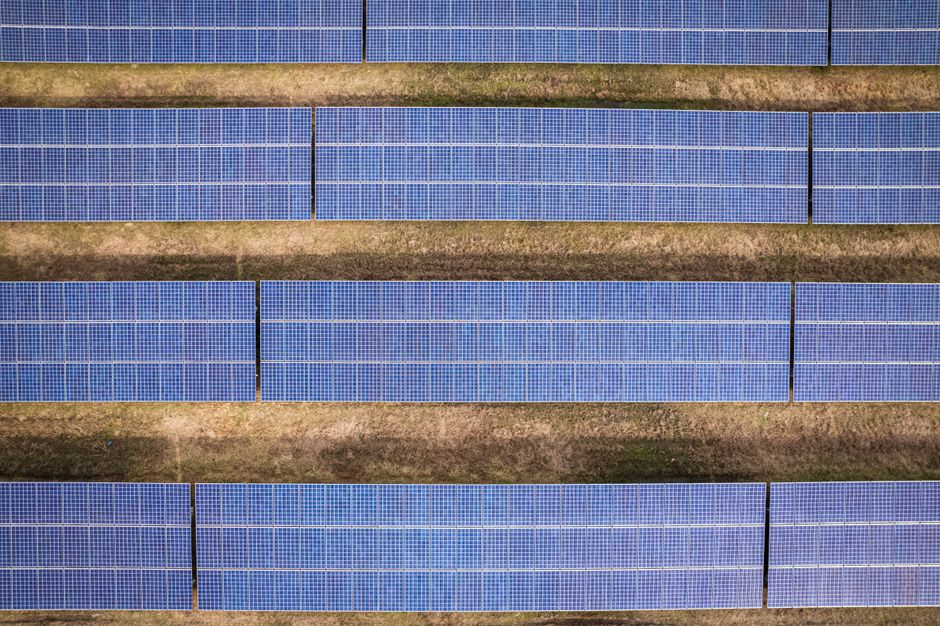

Materials Used in Ground Solar Mounting Systems: Steel, Aluminum, Fasteners, and What Actually Decides Project Reliability
Definition: The primary structural materials in ground-mounted solar systems are hot-dip galvanized steel…
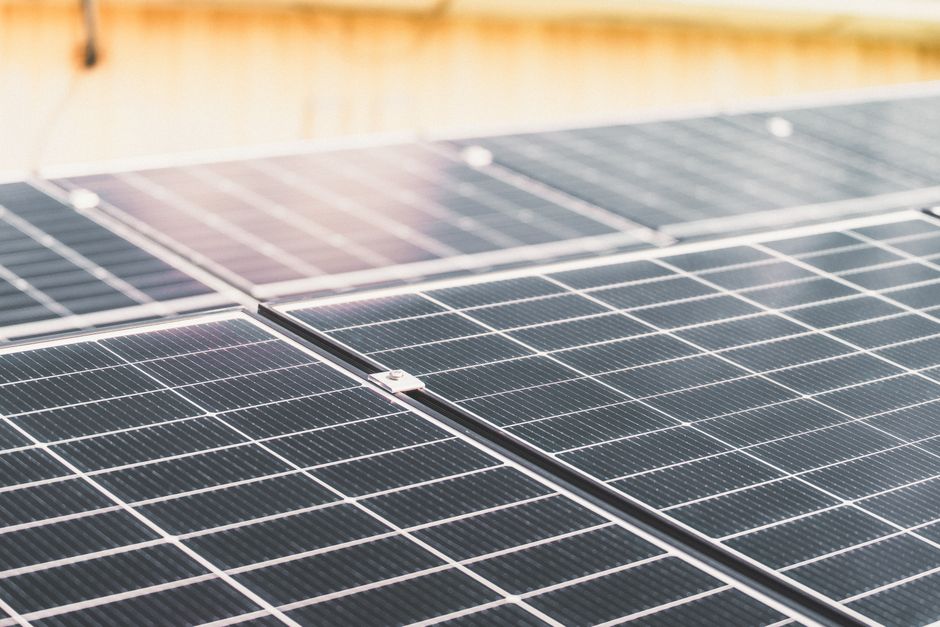

What a Solar Module Mounting Company Should Deliver Before the First Rail Leaves the Factory
What this really means: A solar module mounting company is not just a…
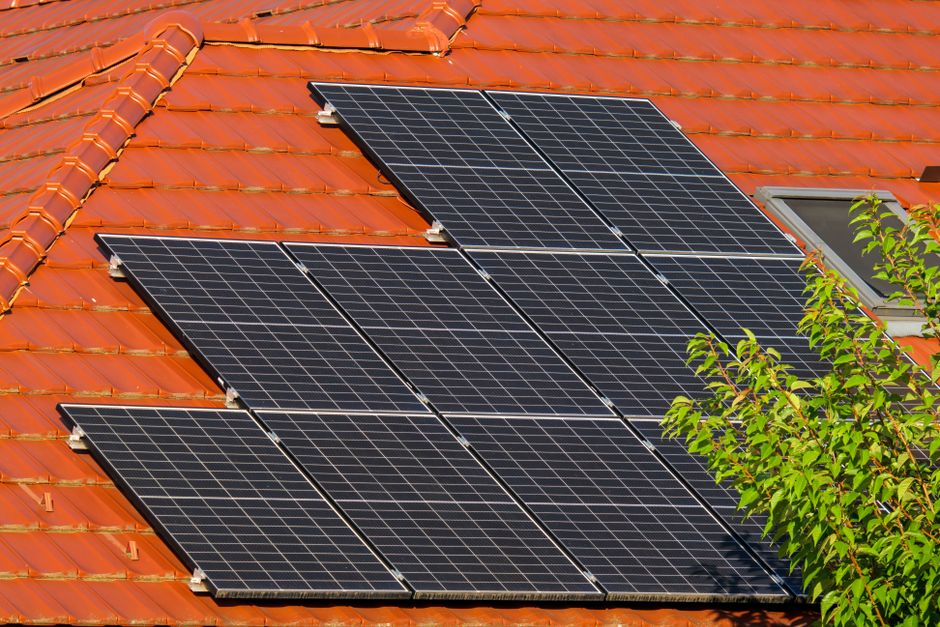
Anti Sliding Pitched Tile Roof Solar Mounting: Why Standard Tile Hooks Often Fall Short on Steep Roofs
When PV modules are installed on pitched tile roofs, gravity and thermal cycling…
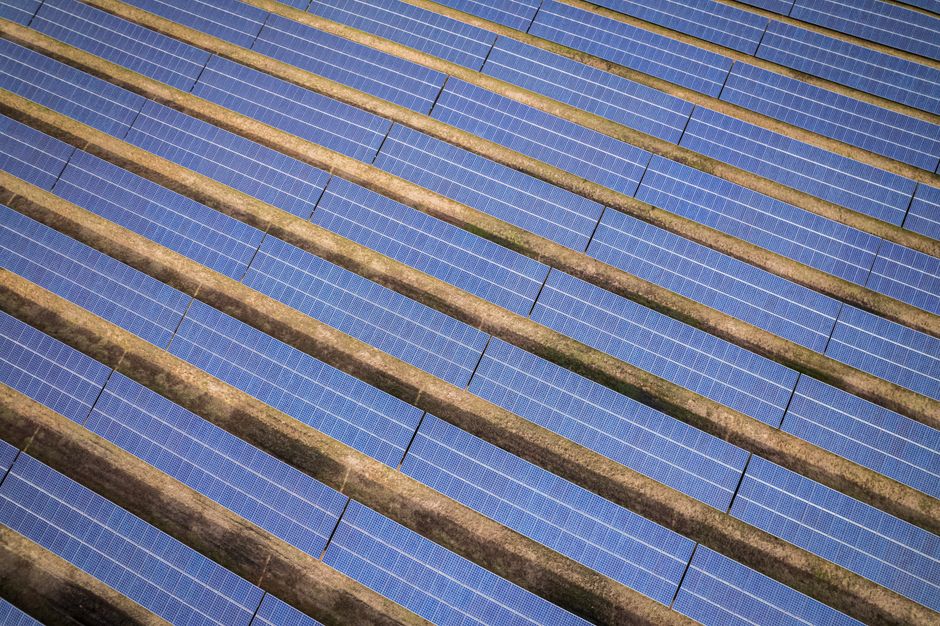
Ground Solar Mounting Structural Design and Configuration Decisions That Affect the Entire Project
When EPC teams and project developers talk about ground-mounted solar, the conversation usually…
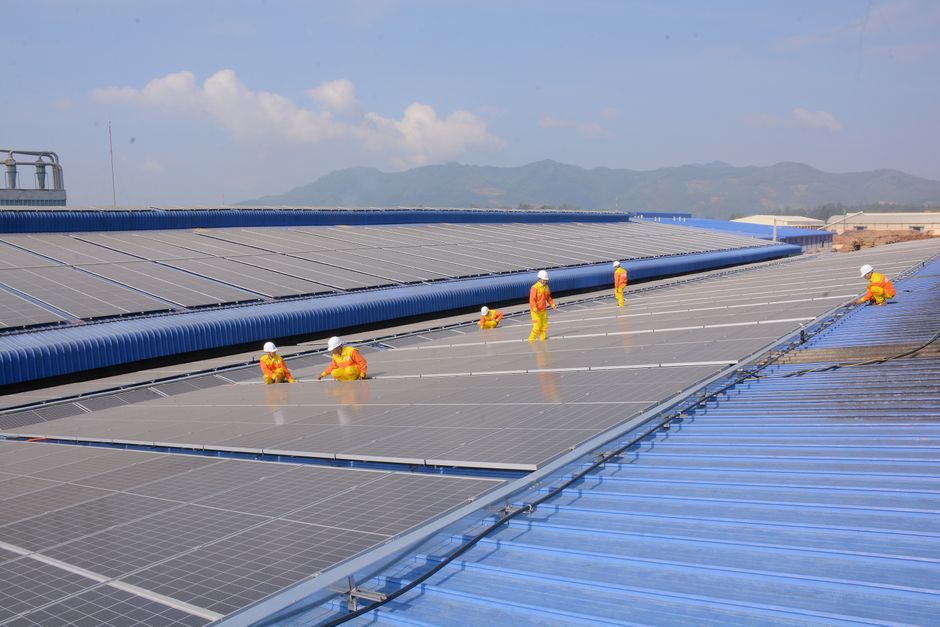
Solar Panel Mounting Brackets Hooks Balcony – Not All Hook Systems Work for Multi-Unit Installations
When a commercial project requires balcony solar panel mounting brackets hooks balcony across…
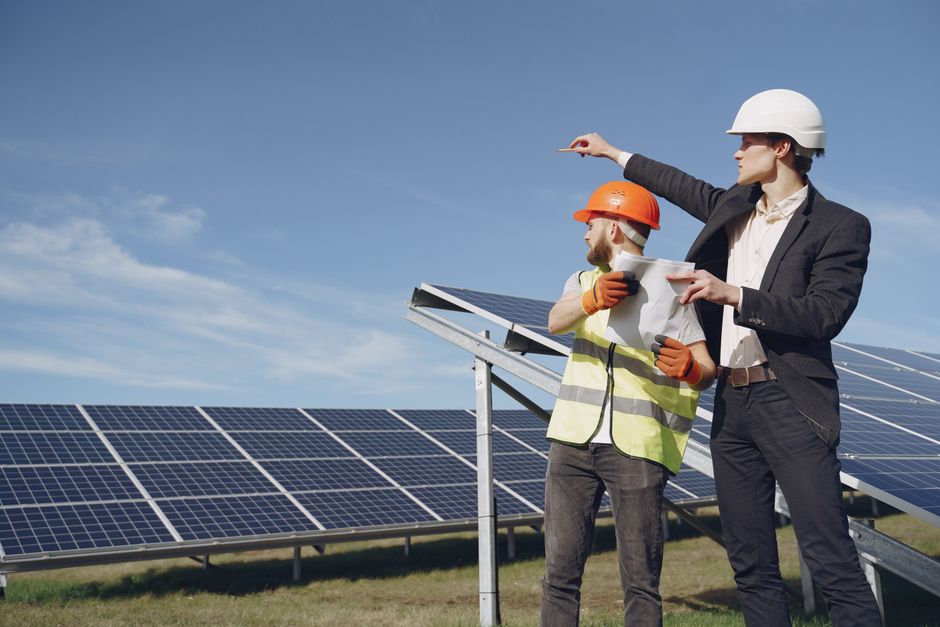
Solar Ground Mount: Key Engineering Checks Before You Finalize Your Procurement List
When your project moves to the procurement phase for a solar ground mount…
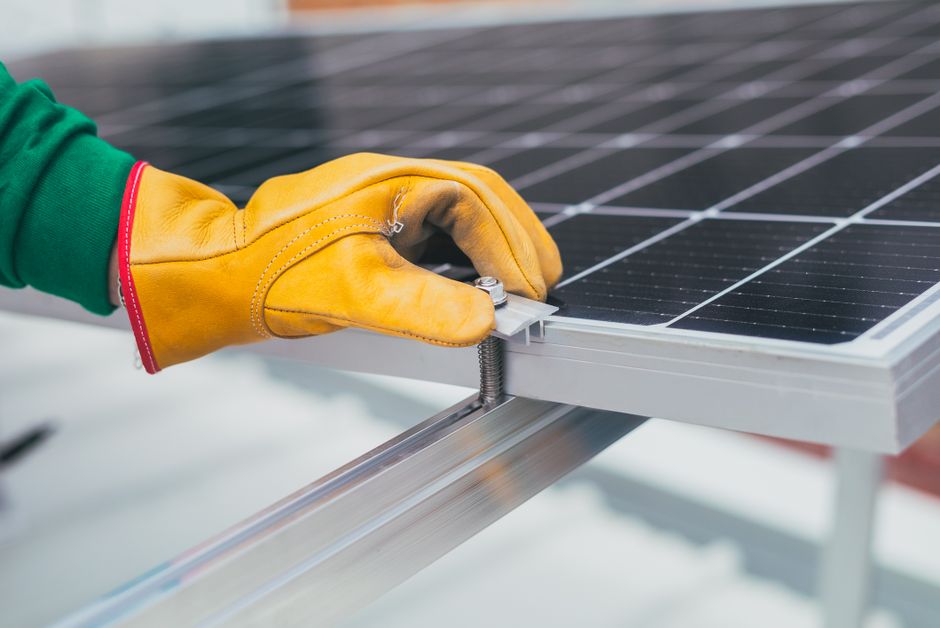

L Feet in Solar Mounting: What They Do, How to Select Them, and Installation Details That Matter
Definition: L feet are L-shaped structural brackets used in solar PV mounting systems…
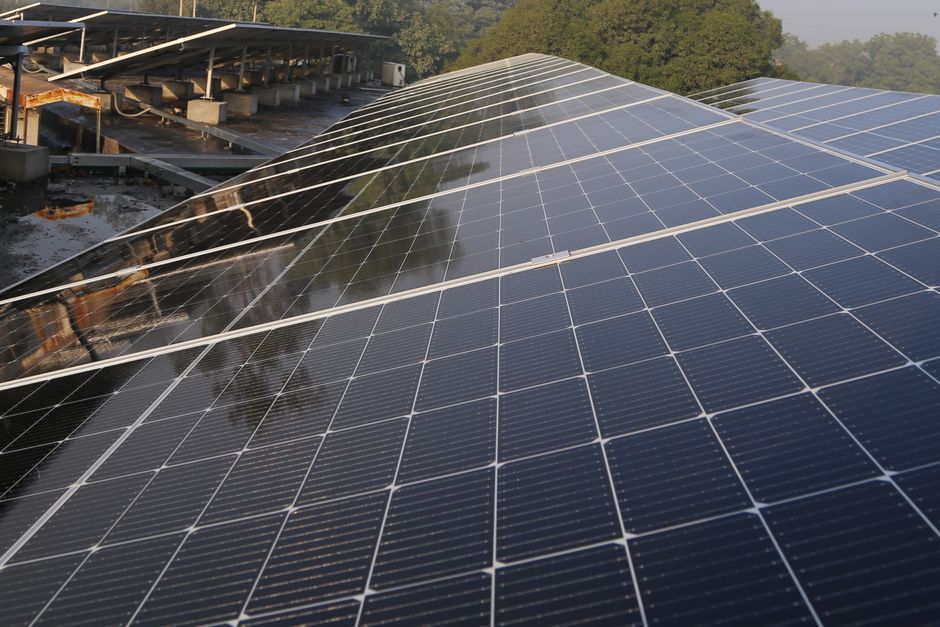
Helical Pile Foundations for Solar Ground Mounts: When Soils Dictate the Foundation Choice
Definition: A helical pile foundation is a deep foundation system that uses steel…
Screw Pile Foundations in Solar Ground Mounts: Where They Work and What Site Conditions Change Everything
Definition: A screw pile foundation uses steel shafts with helical bearing plates that…
Solar Racking Decisions That Change Commercial Project Cost, Labor, and Lifetime Performance
For commercial solar projects, the racking system is not an interchangeable commodity. It…