Installation Solar Panel: Roof vs Ground Mounting Systems
When it comes to solar energy projects, one of the most important decisions is how to mount the panels. A well-planned installation solar panel process doesn’t just affect the look of the system—it determines its long-term performance, cost efficiency, and ease of maintenance. The two most common approaches are roof-mounted and ground-mounted systems, each with its own advantages. Understanding the differences can help you make a smarter choice for your project.
Roof-Mounted Systems: Making Use of Existing Space
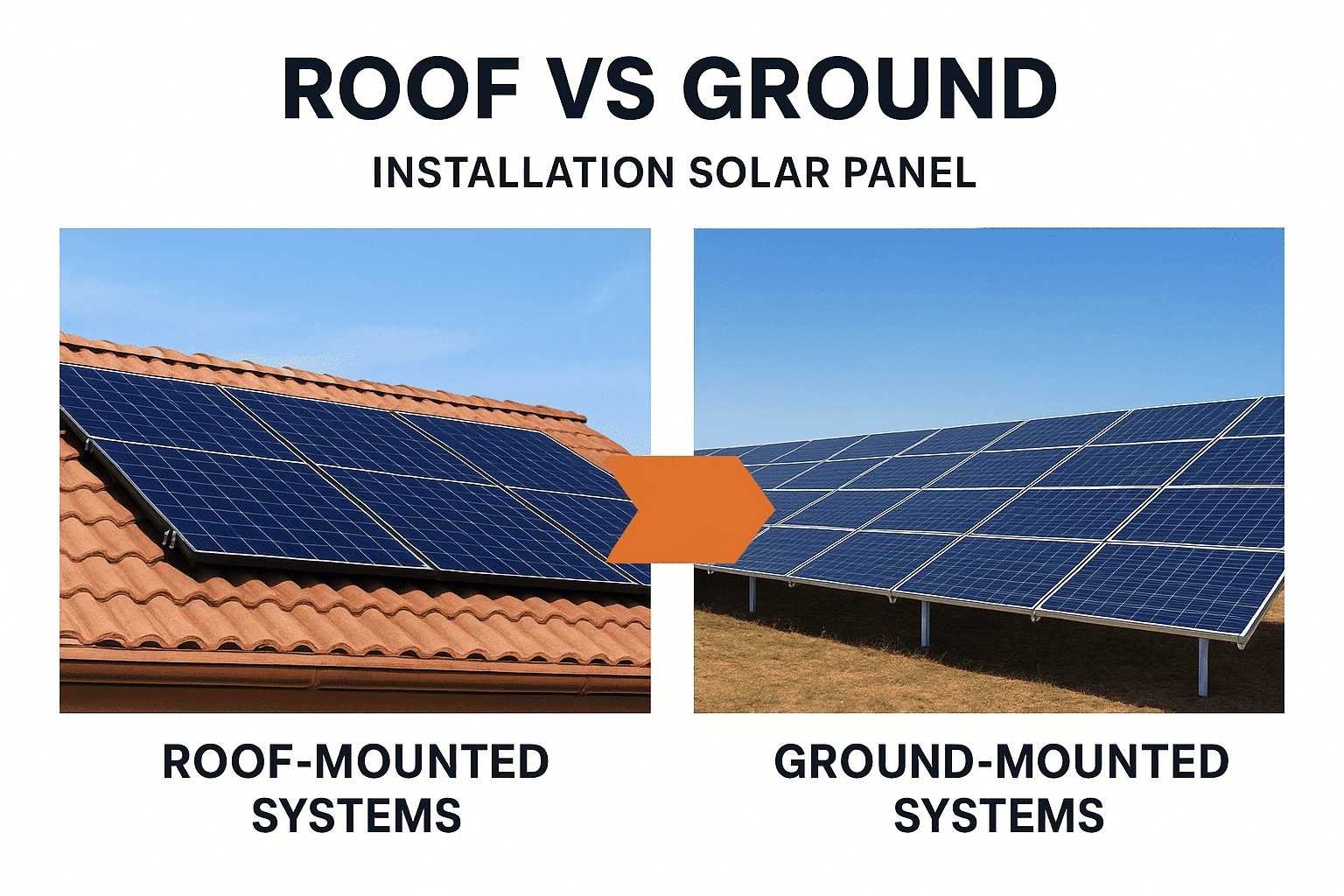
For homes and smaller commercial buildings, roof installation solar panel systems remain the most popular choice. The reason is simple: roofs already provide the space you need, which means no additional land costs. A properly installed system blends with the building and takes full advantage of sunlight exposure.
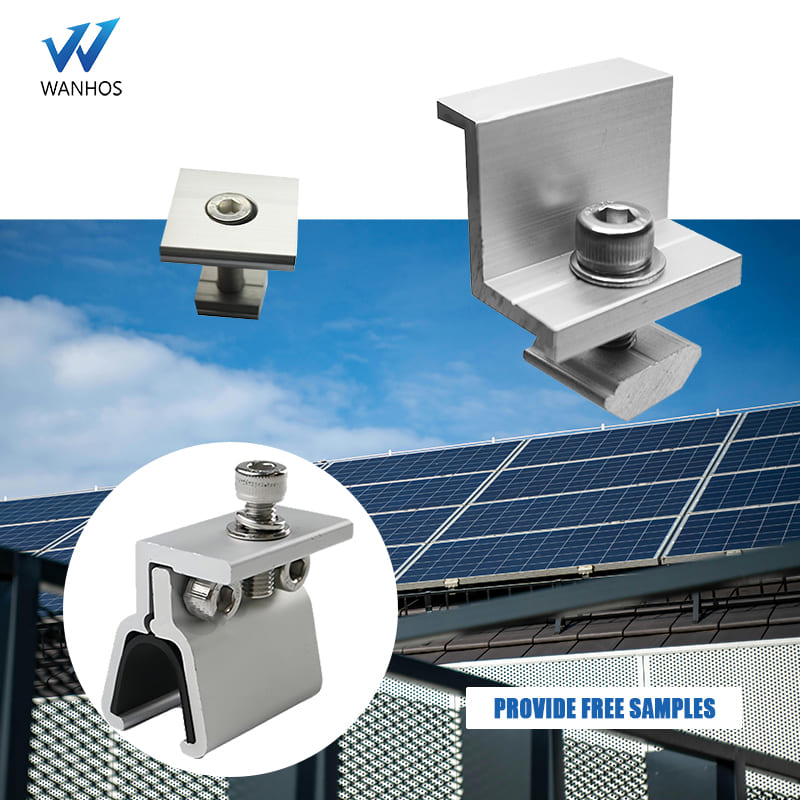
However, not all roofs are created equal. Tile roofs require strong hooks and flashing solutions to prevent leaks, while metal roofs often benefit from clamp-based designs that avoid drilling. With the right components, you can achieve both durability and aesthetics. Wanhos, for example, designs pre-assembled roof mounting kits that simplify installation, reduce time on site, and ensure strong protection against wind and rain.
Ground-Mounted Systems: Flexibility and High Capacity
If you’re planning a larger project, ground installation solar panel systems may be the smarter option. These structures allow full flexibility in terms of angle, orientation, and layout. You can design them to maximize energy yield throughout the year, which is especially valuable in regions with seasonal variations in sunlight.
Another benefit is accessibility. Ground-mounted panels are easier to clean, inspect, and replace. The main drawback, of course, is that they require land, and in some cases, more civil engineering work. But if land is available, the long-term efficiency gains can outweigh the extra investment. Wanhos ground solar mounting solutions use hot-dip galvanized steel and anodized aluminum, ensuring stability in challenging climates from deserts to snowy regions.
How to Decide Between Roof and Ground Installations
Choosing between the two approaches comes down to your project’s scale, site conditions, and goals.
- For residential homes or urban settings, roof systems are often the most practical and cost-effective.
- For utility-scale solar farms or commercial land projects, ground systems offer scalability and flexibility.
- For mixed-use scenarios, such as carports or solar pergolas, hybrid designs can provide both shading and power generation.
Why Work with Wanhos
In the end, no matter which method you choose, quality mounting systems make all the difference. Wanhos has been supporting global solar projects with reliable, certified solutions for years. From pre-assembled kits that cut labor time to corrosion-resistant materials that guarantee long service life, Wanhos ensures your installation solar panel project runs smoothly and delivers consistent results.