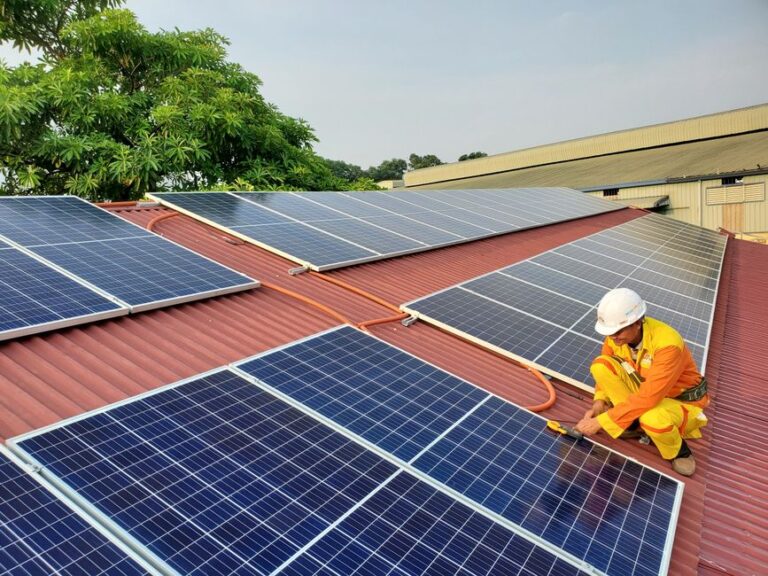
MC4 Connector: What to Check Before You Buy for Your Next Solar Project
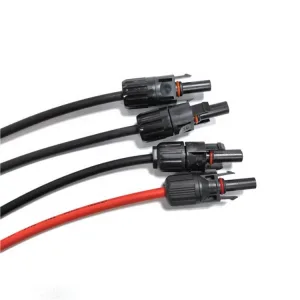
If you are sourcing MC4 connectors for a commercial or utility-scale solar installation, your primary concern is not just price—it is ensuring the connector meets **IEC 62852** or **UL 6703** standards, matches your module and cable specifications, and will not fail due to poor contact resistance or material incompatibility within the first five years. This article covers the technical specifications, failure risks, and procurement checklist you need before placing an order.
Key Takeaways
- For high-voltage systems (1000V–1500V DC), verify the connector’s rated voltage and current; many generic connectors are only rated for 600V and will arc under load.
- Contact pin material—tinned copper vs. brass vs. silver-plated—directly affects long-term resistance stability, especially in coastal or high-humidity environments.
- Locking mechanism design and mating force consistency are the most overlooked factors causing field failures; always request a sample for physical fit testing before bulk purchase.
Why MC4 Connector Quality Affects System Reliability
The MC4 connector is the most common DC connector in modern PV systems, but not all connectors labeled “MC4” are identical. Genuine MC4 connectors from Staubli are proprietary, while the market is flooded with “MC4-compatible” or “MC4-type” connectors that vary significantly in material quality, sealing, and mechanical fit. A poor-quality connector can lead to increased contact resistance, overheating, arcing, and eventual fire risk—especially in high-voltage strings above 600V.
Engineering Tip: Contact Resistance and Heat Generation
In field inspections, we often find that generic connectors show contact resistance values above 5 mΩ after only one year of operation, while properly manufactured connectors maintain below 1 mΩ. Every 1 mΩ increase in a 15A string generates 0.225W of heat per connector pair. With 50+ connectors in a single commercial array, this heat accumulation can degrade insulation and accelerate connector failure.
Key Technical Specifications to Verify Before Ordering
When evaluating MC4 connectors for procurement, the following parameters are non-negotiable for engineering-grade projects:
- Rated Voltage: Confirm if the connector is rated for 600V, 1000V, or 1500V DC. For modern bifacial modules and higher string voltages, 1500V rating is increasingly standard.
- Rated Current: Typically 30A to 50A depending on wire gauge (4mm² to 6mm²). Verify that the connector’s rated current exceeds your module’s Isc (short-circuit current) by at least 25%.
- Ingress Protection (IP): Minimum IP67 when mated. Check if the connector includes a secondary seal or gasket design for added moisture resistance.
- Temperature Range: Connectors must withstand -40°C to +90°C continuous operation, with some premium designs rated up to +105°C.
- Flammability Rating: UL 94 V-0 or equivalent for the housing material (usually PC/PA).
Material Comparison: Connector Housing and Contact Pin
| Component | Material Options | Pros | Cons | Best Application |
|---|---|---|---|---|
| Housing | Polycarbonate (PC) | High impact resistance, UV stable | Lower temperature tolerance vs. PA | General outdoor use |
| Housing | Polyamide (PA) | Higher continuous temperature rating | More brittle in cold climates | High-temperature or desert environments |
| Contact Pin | Tinned Copper | Good conductivity, corrosion resistant | Softer material, may deform under repeated mating | Standard installations |
| Contact Pin | Silver-Plated Copper | Lowest contact resistance, excellent for high current | Higher cost, silver can tarnish in sulfur-rich environments | High-performance or coastal projects |
| Contact Pin | Brass | Harder, more durable under repeated cycles | Higher electrical resistance than copper | Applications requiring frequent disconnection |
Common MC4 Connector Failure Modes and How to Avoid Them
Field data from EPC contractors shows that connector-related issues account for approximately 20–30% of all PV system failures. The most common failure modes include:
- Loose Mating: Connectors that do not click firmly or have inconsistent locking force can disconnect under wind-induced vibration. Always test mating force with a sample connector before bulk ordering.
- Moisture Ingress: Poorly designed sealing rings or improper cable insertion depth allow water to enter, leading to corrosion and ground faults. Verify that the connector’s sealing geometry matches your cable outer diameter (typically 5–8mm for 4mm², 6–10mm for 6mm²).
- Contact Pin Misalignment: Incompatible male/female pins from different manufacturers can cause partial insertion, reducing contact area and increasing resistance. Never mix connectors from different brands unless certified compatibility is documented.
- Thermal Cycling Fatigue: In hot climates, repeated expansion and contraction can loosen the crimp connection. Use connectors with a proven track record in your climate zone.
Engineering Tip: Crimping Tool Importance
Even the best connector will fail if the crimp is poor. Use a dedicated MC4 crimping tool with a ratcheting mechanism and adjustable dies. The crimp should produce a hex or indent shape that matches the manufacturer’s specification—not a flat crush. A proper crimp reduces contact resistance by up to 50% compared to a hand-crimped connection. Always perform a pull test (minimum 50N for 4mm² cable) on every crimped connector during installation.
Installation Checklist for EPC Teams
When using MC4 connectors in your field installation, follow these steps to minimize future failures:
- Inspect Connectors Before Installation: Check for cracks, burrs, or debris inside the housing. Reject any connectors with visible defects.
- Use Correct Wire Stripping Length: Typically 6–8mm of bare conductor exposed. Too short causes poor contact; too long risks exposed conductor outside the seal.
- Apply Proper Crimping Force: Use a calibrated ratcheting crimper. Crimp the conductor and the insulation support separately for strain relief.
- Verify Locking Click: After mating, pull gently on the cable to confirm the connector is fully seated and locked. A clear audible click is required.
- Torque Control for Panel Connections: When connecting to module junction boxes, ensure the connector is hand-tightened only—over-tightening with tools can damage the housing or seal.
Maintenance and Inspection of MC4 Connectors
Ongoing maintenance is essential for long-term reliability. Schedule inspections every 6–12 months, or after severe weather events:
- Visual Check: Look for discoloration, melting, or cracking around the connector body. Any sign of overheating means immediate replacement.
- Thermal Imaging: Scan connectors with an IR camera while the system is operating. A temperature rise of more than 10°C above ambient indicates high resistance and potential failure.
- Seal Integrity: Check for water ingress signs such as corrosion on the contact pins or moisture inside the connector. Replace any connector with visible corrosion.
- Locking Mechanism: Ensure all connectors are still fully mated. Vibration or thermal cycling can loosen connections over time.
- Ground Continuity: If the connector is part of a grounding path (e.g., in some frame grounding configurations), verify continuity with a multimeter.
How to Select the Right MC4 Connector for Your Project
For procurement managers and EPC engineers, the selection process should follow a structured approach:
- Define System Voltage and Current: Calculate the maximum string voltage (Voc x number of modules) and Isc. Choose a connector with a safety margin of at least 25%.
- Match Cable Size: Confirm the connector’s cable range matches your PV wire. Most connectors accept 4mm² to 6mm² cables, but some industrial connectors handle up to 10mm².
- Check Compatibility with Existing Components: If you are adding to an existing system, verify that the new connectors are mechanically and electrically compatible with the installed ones. Mismatched connectors are a leading cause of field failures.
- Request Samples for Physical Testing: Before committing to a large order, request 10–20 sample connectors. Test mating force, crimp quality, and sealing with your actual cable and tools.
- Verify Certifications: Require test reports for IEC 62852 (connector safety) and IEC 60529 (IP rating). For projects in North America, UL 6703 certification is mandatory.
FAQ: MC4 Connector Procurement and Installation
What is the difference between MC4 and MC4-compatible connectors?
Original MC4 connectors are manufactured by Staubli and have a patented locking system. MC4-compatible connectors are made by other manufacturers to physically mate with Staubli connectors, but they may not meet the same electrical or mechanical specifications. For critical projects, always use connectors from the same brand and series to avoid compatibility issues.
How do I know if an MC4 connector is rated for 1500V?
Check the connector’s datasheet or the marking on the housing. Look for “1500V DC” or “TÜV Rheinland 1500V” certification. Do not rely on product descriptions alone; request the test report from the manufacturer. Connectors not explicitly rated for 1500V should not be used in systems above 1000V.
Can I reuse MC4 connectors after disconnecting them?
Technically yes, but it is not recommended. The locking mechanism and sealing rings can degrade after multiple mating cycles. For permanent installations, use new connectors. For temporary or testing setups, limit reuse to 5–10 cycles and inspect the connector for damage before each reconnection.
What torque should I use when tightening MC4 connectors to a module junction box?
MC4 connectors are designed for hand-tightening only. Do not use tools. The connector should be turned until it clicks and locks. Over-tightening can crack the housing or damage the seal. If you need a more secure connection, use a locking collar or cable tie for strain relief, not additional torque.
How do I prevent moisture ingress in MC4 connectors on a roof installation?
Ensure the cable outer diameter matches the connector’s sealing range. Use connectors with dual-seal designs (inner and outer O-rings). Orient connectors so that the cable entry points downward to prevent water pooling. In high-humidity areas, consider applying dielectric grease to the contact pins before mating (only if the connector manufacturer approves it).
Conclusion: Making the Right Procurement Decision
Selecting the correct MC4 connector is a small decision that has big consequences for system safety and longevity. Focus on verified certifications, material quality, and physical compatibility rather than price alone. For projects requiring reliable, long-term performance, work with a supplier who can provide test documentation and samples for pre-order validation.
At Wanhos, we supply MC4 connectors that meet IEC 62852 and UL 6703 standards, with full traceability and test reports available for procurement teams. Whether you need connectors for a rooftop commercial system or a large ground-mount utility project, we can help match the right product to your cable size, voltage rating, and environmental conditions. Contact us with your project details for a technical recommendation and quotation.