

What Are The 10 Factors That Affect The Power Generation Of Solar PV Power Stations?
Given a given installed capacity of a photovoltaic power station, the power generation of a photovoltaic system is determined by the intensity of solar radiation, with a positive correlation between solar radiation and power generation. The intensity and spectral characteristics of solar radiation vary with meteorological conditions. So, what factors influence the power generation of a solar photovoltaic power station? What are the 10 factors that affect the power generation of PV stations?
1. Solar Resources
Given a given installed capacity of a photovoltaic power station, the power generation of a photovoltaic system is determined by the intensity of solar radiation, with a positive correlation between solar radiation and power generation. The intensity and spectral characteristics of solar radiation vary with meteorological conditions.
2. Module Installation Method
In the same area, the amount of solar radiation received by tilted panels at different installation angles varies. We can increase this amount adjusting the panel tilt (for fixed or adjustable mounting) or by installing tracking equipment (for tracking mounting).
3. Inverter Capacity Ratio
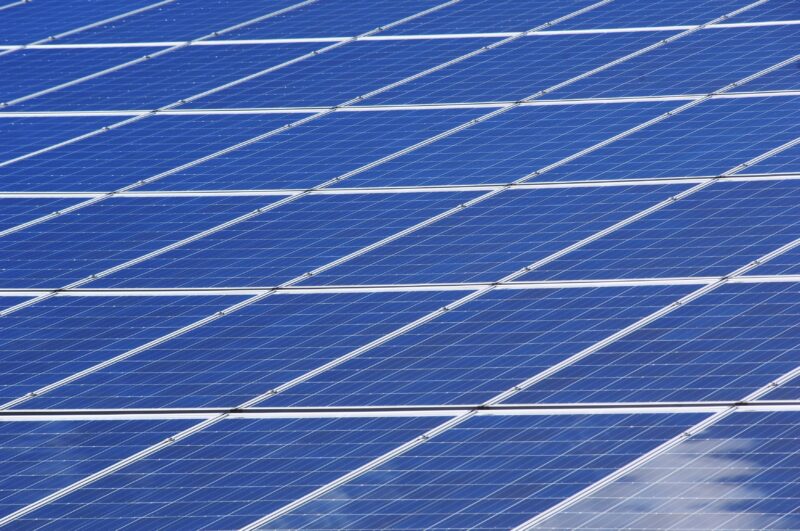
The inverter capacity ratio refers to the ratio of the inverter’s rated power to the capacity of the installed photovoltaic panels.
Because the power generated by PV modules is transferred to the inverter, there are many steps that result in degradation. Furthermore, inverters, box-type transformers, and other equipment cannot operate at full capacity most of the time. Therefore, the PV module capacity should be slightly larger than the rated capacity of the inverter. Based on experience, in areas with good solar resources, a PV module:inverter ratio of 1.2:1 is the optimal design ratio.
4. Module Series and Parallel Matching
Series-connected modules can cause current loss due to current differences between modules, while parallel-connected modules can cause voltage loss due to voltage differences between strings.
As CNCA/CTS00X-2014, “Technical Specifications for Performance Testing and Quality Assessment of Grid-Connected Photovoltaic Power Stations” (Draft for Comment) mentioned, stipulates that the maximum module series mismatch loss should not exceed 2%.
5. Module Shading
Module shading includes obstruction by dust, snow, weeds, trees, solar panels, and other buildings. This obstruction reduces the amount of radiation received by the modules, affecting heat dissipation, resulting in reduced module output power and potentially causing hot spots.
6. Module Temperature Characteristics
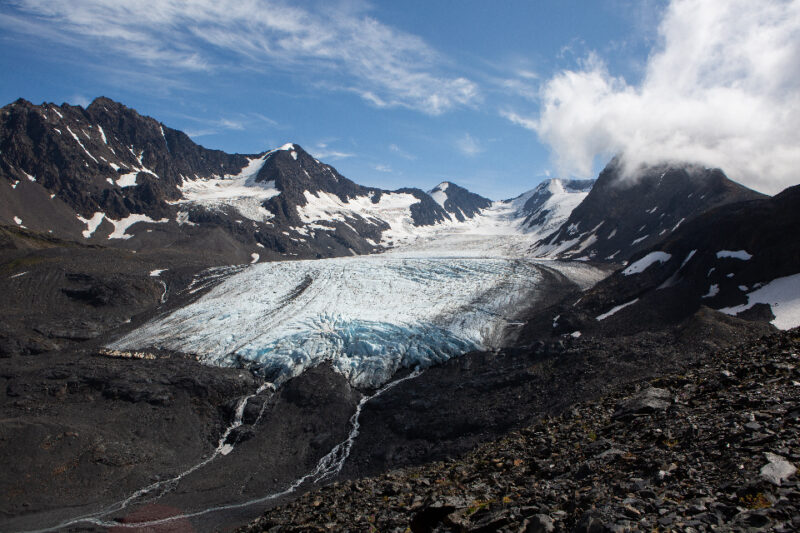
As the temperature of crystalline silicon cells increases, the open-circuit voltage decreases. In the temperature range of 20-100°C, the voltage per cell decreases by approximately 2mV per 1°C increase. Meanwhile, the current increases slightly with temperature. Generally speaking, the power of solar cells decreases with increasing temperature. The typical power temperature coefficient is -0.35%/°C, meaning that for every 1°C increase in cell temperature, the power decreases by 0.35%.
7. Module Power Degradation
Module power degradation refers to the gradual decrease in module output power with increasing exposure to sunlight. Module degradation is related to the characteristics of the module itself. This degradation phenomenon can be broadly categorized into three types: sudden module power degradation caused by destructive factors; initial light-induced degradation; and aging degradation.
CNCA/CTS00X-2014 “Technical Specifications for Performance Testing and Quality Assessment of Grid-Connected Photovoltaic Power Stations” stipulates that the degradation rate of polycrystalline silicon modules shall not exceed 2.5% within one year and 3.2% within two years. Also, the degradation rate of monocrystalline silicon modules shall not exceed 3.0% within one year and 4.2% within two years.
8. Equipment Operational Stability
Equipment failures and downtime in a photovoltaic power generation system directly impact the power generation of a power plant. For example, if AC equipment above the inverter fails and shuts down, the resulting power loss can be significant. Furthermore, even if equipment is operating but not at optimal performance, this can also result in power loss.
9. Routine Maintenance
Routine maintenance and inspections are essential for power plants. A well-planned maintenance schedule can reduce power losses. Power plants should rationally schedule maintenance based on their specific circumstances and improve maintenance efficiency to minimize power generation losses due to routine maintenance and inspections.
10. Grid Absorption
Due to grid absorption requirements, some regional grid dispatchers require photovoltaic power plants to operate at limited power.
Summary
Above all are the 10 factors that affect the power generation of PV stations. Factors that influence the power generation of a photovoltaic power plant include solar resource resources, module installation method, inverter capacity ratio, module series and parallel matching, module shading, module temperature characteristics, module power degradation, equipment operation and maintenance stability, routine maintenance, and grid absorption. These factors all affect power generation to varying degrees.
If you are interested in knowing more or sharing insights with us, please feel free to contact.


